



Substance use disorder (SUD) is a chronic mental condition that affects a person’s brain and behavior, leading to compulsive drug misuse that can lead to a range of health and social problems.
In the US, it’s estimated that over 48 million individuals struggle with one or more substance use disorders. Many of these people also deal with a co-occurring mental health disorder, increasing the risk of life-threatening complications.
In 2023 alone, the Centers for Disease Control and Prevention (CDC) documented 107,543 drug overdose deaths.
Despite its immediate dangers, you may wonder why millions find quitting addiction difficult—often even impossible without expert intervention.
This guide explains how addiction rewires your brain, the most notorious types of drug addiction to quit, and what you can do to break free from the vicious cycle of substance abuse.
Why Is Quitting Hard?
One of the primary reasons addiction is tough to break is how it affects the brain. With repeated use, addictive substances can hijack your brain’s reward system, rewiring it to rely on the substance to function normally.
Over time, the individual may develop strong psychological dependence and physical dependence on the substance.
As the body associates the drug with feelings of pleasure, it becomes desensitized to natural rewards, such as food, water, and social bonding. It’s quite common for people living with SUD to lose interest in activities and hobbies that once satisfied them.
These physiological changes can leave long-term consequences. In many cases, it could take months or years of abstinence and intervention for the brain to resemble a non-addicted person’s brain again.
Early intervention is crucial to prevent lasting damage from chronic drug abuse.
Triggers and Co-occurring Disorders
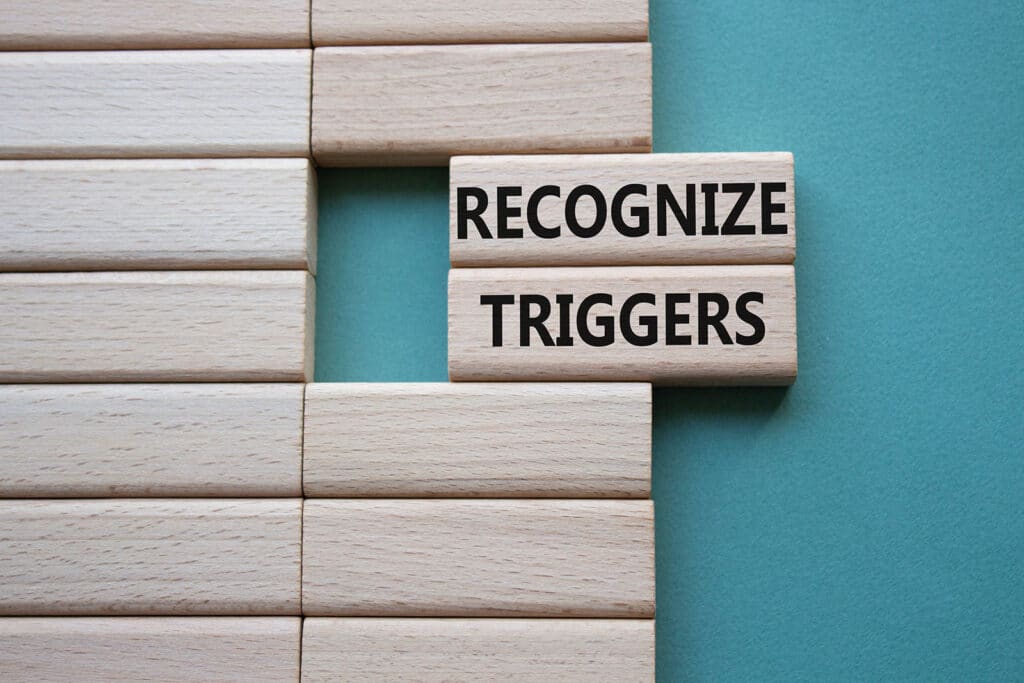
Severe cases of drug and alcohol addiction typically produce triggers in an individual. Triggers can refer to people, places, things, feelings, or events that elicit a reaction, often an intense craving for the drug in question.
This is why most addiction treatment programs almost always involve learning how to identify and manage triggers. Learning coping mechanisms is a valuable tool for the patient’s recovery journey.
Apart from triggers, co-occurring mental health disorders, also called dual diagnosis, can make quitting substance abuse tremendously difficult.
For people with depression, anxiety, or post-traumatic stress disorder (PTSD), drug use is a form of self-medication. They rely on addictive drugs to provide temporary relief from the uncomfortable symptoms of their mental illness.
In such instances, addiction becomes both a disease and a symptom of an underlying issue. Interventions must focus on resolving the dual diagnosis simultaneously.
Guilt and Shame
It’s common for people living with SUD to feel a profound sense of guilt and shame. However, while these strong emotions may help others overcome addictive patterns, most often they do the opposite and instead fuel SUD.
Shame, in particular, has been linked to increased drug misuse. People with SUD experiencing guilt and shame may turn to illicit substances to avoid the same uncomfortable emotions.
Hardest Drugs to Overcome According to Experts
Addictive substances disrupt the reward system and trigger surges in dopamine, the “feel-good” neurotransmitter. Different drugs can have varying levels of impact on the brain, which means some can be more habit-forming than others.
Here are some of the hardest drugs to quit, according to healthcare experts:
Crack Cocaine
Classified as a Schedule II controlled substance, cocaine is a potent stimulant used medically as an anesthetic drug. It’s sometimes colloquially referred to as coke, rock, snow, blow, and crack.

Traditional methods of use involve sniffing the powdered material through the nose, which is absorbed in the nasal passages and into the bloodstream.
When abused, crack cocaine can cause an intense rush of euphoria. Immediate effects of cocaine include extreme happiness, intense focus, heightened energy, and extreme alertness.
The illicit substance is illegal in the US due to the risks that come with using it.
Organ damage, sexually transmitted diseases (STDs), heart disease, heart attack, seizures, coma, and death are some of the reported side effects of cocaine.
Withdrawal, Relapse, and Recovery Challenges
Withdrawal Timeline:
- Crash phase (1-3 days): Extreme fatigue, depression, increased appetite, vivid dreams
- Acute withdrawal (1-2 weeks): Intense cravings, anxiety, irritability, inability to feel pleasure (anhedonia)
- Protracted phase (weeks to months): Periodic cravings triggered by environmental cues, ongoing mood instability
Why Relapse Rates Are So High (70-85% in first year):
- Crack cocaine doesn’t produce dangerous physical withdrawal, making users underestimate psychological dependence
- The drug’s short half-life (5-10 minutes) creates rapid cycling use patterns and intense cue-conditioned responses
- Environmental triggers (places, people, paraphernalia) produce powerful cravings even years into recovery
- The profound anhedonia during early recovery makes natural rewards feel meaningless, driving relapse
Unique Challenges:
- Cardiovascular damage may persist, requiring ongoing medical monitoring
- Paranoia and aggression during active use can damage crucial support relationships
- Legal consequences often compound recovery obstacles
- Co-use with alcohol (creating cocaethylene) increases toxicity and complicates treatment
Opioid and Prescription Painkillers
Opioids are a leading cause of overdose deaths in the US. Heroin, oxycodone, and fentanyl are synthetic opiates that are particularly dangerous, accounting for over 107,000 overdose fatalities in 2021 alone.
An opioid addiction is notoriously difficult to quit due to the unique way it hijacks the brain’s reward system. Unlike other substances, opioids attach to the GABA neurotransmitter, which is responsible for the pleasure pathway.
Withdrawal, Relapse, and Recovery Challenges
Withdrawal Timeline:
- Early symptoms (6-12 hours for short-acting; 30 hours for long-acting): Anxiety, muscle aches, increased tearing, insomnia, runny nose, sweating, yawning
- Peak symptoms (1-3 days): Abdominal cramping, diarrhea, dilated pupils, goosebumps, nausea/vomiting, rapid heartbeat
- Resolution (5-10 days): Physical symptoms subside, but psychological cravings and sleep disturbances persist for months
Why Relapse Rates Are So High (80-95% without medication-assisted treatment):
- Tolerance develops rapidly, requiring escalating doses and making “just once” extremely dangerous
- Fentanyl contamination in the drug supply means any relapse carries life-threatening overdose risk
- Physical withdrawal, while not medically dangerous like alcohol, is profoundly uncomfortable and feels interminable
- Medication-Assisted Treatment (MAT) with buprenorphine or methadone dramatically improves outcomes but requires long-term commitment
Unique Challenges:
- The opioid epidemic has created widespread availability, making avoidance difficult
- Prescription opioid users often lack the “addict” identity, delaying treatment-seeking
- Pain management for legitimate medical needs becomes complicated in recovery
- Stigma around MAT prevents many from accessing the most effective treatment
Alcohol
Alcohol use disorder (AUD) is the most prevalent form of addiction in the US. According to the National Institute on Alcohol Abuse and Alcoholism (NIAAA), over 228.4 million people have admitted to drinking once in their lives.
Per the National Survey on Drug Use and Health, over 29.5 million people aged 12 and older suffer from alcohol addiction.
One of the main reasons AUD is so prevalent is the substance’s availability. The social acceptance surrounding drinking may have also contributed.
Genetics, pre-existing mental illness, long-term abuse, and fear of severe withdrawal symptoms could prevent people from quitting drinking. Alcohol withdrawal can be dangerous and requires medical supervision.
Withdrawal, Relapse, and Recovery Challenges
Withdrawal Timeline:
- Minor withdrawal (6-12 hours): Tremors, anxiety, headache, nausea, insomnia, sweating
- Seizure risk (12-48 hours): Potentially life-threatening convulsions
- Delirium Tremens/DTs (48-72 hours): Confusion, hallucinations, severe autonomic instability, potential death without medical intervention
- Post-acute withdrawal (weeks to months): Sleep disturbances, mood instability, cognitive fog
Why Relapse Rates Are High (40-60% in first year):
- Alcohol is legally available everywhere and socially normalized, creating constant exposure
- Social pressure to drink pervades celebrations, networking events, and casual gatherings
- “Moderation management” attempts almost universally fail for those with AUD
- Physical dependence develops insidiously, often over years, making the severity shocking when discovered
Unique Challenges:
- Withdrawal can be fatal without medical supervision—never attempt to detox alone
- Liver damage (cirrhosis, hepatitis) may be irreversible and require ongoing medical management
- Cognitive impairment from prolonged heavy use can affect treatment engagement and decision-making (Wernicke-Korsakoff syndrome)
- Family members may enable drinking due to alcohol’s social acceptance
Nicotine
Falling in the same category as cocaine, nicotine is a central nervous system (CNS) stimulant primarily derived from the tobacco plant.
Like most addictive substances, it causes dopamine neurons to fire excessively, causing a surge that contributes to addiction and habit formation.

While smoking may not appear as harmful as other drugs, it’s actually the number one cause of preventable deaths in the country. The side effects can take time to appear, but nicotine has consistently claimed over 480,000 lives annually.
According to the National Institute on Drug Abuse (NIDA), more than 35 million smokers express their intention to quit smoking every year. Only about 15% of them are successful.
Withdrawal, Relapse, and Recovery Challenges
Withdrawal Timeline:
- Peak symptoms (2-3 days): Intense cravings, irritability, anxiety, difficulty concentrating, increased appetite, restlessness
- Acute phase (2-4 weeks): Gradually diminishing physical symptoms but persistent psychological cravings
- Long-term adjustment (months): Occasional situational cravings (after meals, during stress, social situations)
Why Relapse Rates Are Extremely High (85-95% without support):
- Unlike other substances, nicotine use doesn’t impair function, making “just one” seem harmless
- Smoking is deeply habit-linked (morning coffee, after meals, driving, stress relief)
- Extreme accessibility—available at every convenience store
- Weight gain during cessation (average 5-10 lbs) drives some to resume use
- E-cigarettes and vaping create new pathways to nicotine addiction
Unique Challenges:
- Health consequences are delayed, making immediate risk feel low
- Social smoking opportunities remain common despite declining acceptance
- The ritual and sensory aspects (hand-to-mouth, inhalation) create powerful behavioral conditioning
- Tobacco companies have engineered products to maximize addiction potential
Methamphetamine
Also called ice or crystal meth, methamphetamine is a synthetic stimulant made from pseudoephedrine, an ingredient found in cold medications. Its effects include a sense of well-being, hyperactivity, and wakefulness.
However, adverse reactions from heavy use can also occur, such as increased blood pressure, unexplained aggression, and irregular heartbeat.
New studies found evidence that the neurotoxic drug damages dopamine and serotonin receptors in the brain. Functional changes in parts of the brain associated with emotion and memory have also been observed.
Withdrawal, Relapse, and Recovery Challenges
Withdrawal Timeline:
- Crash (1-2 days): Extreme fatigue, hypersomnia (sleeping 12-20 hours), increased appetite
- Acute withdrawal (7-14 days): Depression, anhedonia, intense drug dreams, anxiety, poor concentration
- Protracted withdrawal (weeks to months): Persistent anhedonia, depression, cognitive impairment, episodic cravings
Why Relapse Rates Are Very High (75-90% in first year):
- Methamphetamine causes potentially permanent damage to dopamine and serotonin systems, making normal pleasure impossible for months
- The profound depression and cognitive impairment during early recovery feels hopeless
- Sleep disturbances can persist for a year or more, exhausting resolve
- Environmental cues trigger intense cravings even after prolonged abstinence
Unique Challenges:
- Neurotoxic damage may cause lasting cognitive deficits (memory, executive function, processing speed)
- Dental damage (“meth mouth”) and skin lesions create shame barriers to treatment
- Psychotic symptoms can persist weeks after cessation, requiring psychiatric intervention
- Many users also have co-occurring stimulant use (cocaine) or depressant use (alcohol, benzos) to manage the intense highs and crashes
Benzodiazepine
Similar to meth, benzodiazepine is a prescription drug used to treat various ailments like anxiety, insomnia, seizures, and muscle spasticity. Clinicians may recommend benzos to alleviate alcohol withdrawal syndrome.
Diazepam (Valium), lorazepam (Ativan), alprazolam (Xanax), and clonazepam (Klonopin) are common examples of benzodiazepines.
Benzo dependence and addiction can develop without the person’s awareness. Due to their impact on the chemical makeup of the brain, withdrawing from benzodiazepines must always be done under expert guidance.
Withdrawal, Relapse, and Recovery Challenges
Withdrawal Timeline:
- Early symptoms (1-4 days for short-acting; 1-2 weeks for long-acting): Anxiety, insomnia, muscle tension, tremors, sweating
- Peak symptoms (variable): Seizures, hallucinations, delirium, panic attacks, sensory hypersensitivity
- Protracted withdrawal syndrome (months to years): Persistent anxiety, insomnia, cognitive impairment, muscle pain, tinnitus, sensory disturbances
Why Relapse Rates Are High (60-80% without proper tapering and support):
- Benzodiazepines are often prescribed for legitimate anxiety, creating complicated relationships with treatment providers
- Abrupt cessation can cause life-threatening seizures, requiring medical supervision
- Protracted withdrawal syndrome can last 6-18 months, with symptoms that mirror the original anxiety disorder
- The slow, medically supervised taper (sometimes 6-12 months) requires extraordinary patience and compliance
Unique Challenges:
- Many patients were initially prescribed benzos by physicians and don’t identify as having SUD
- Withdrawal must be done under medical supervision with gradual tapering—never quit cold turkey
- Finding prescribers willing to supervise long-term tapers can be difficult
- The original anxiety condition often requires alternative treatment approaches
- Kindling effect: Each withdrawal attempt becomes progressively more severe
Understanding “Hardest to Quit”: A Personalized Perspective
While addiction medicine experts can identify substances with particularly challenging withdrawal profiles and high relapse rates, the “hardest” addiction to quit is deeply personal. Individual factors significantly influence recovery difficulty:
- Genetic predisposition to addiction and metabolism variations
- Co-occurring mental health disorders (depression, anxiety, PTSD, bipolar disorder)
- Duration and severity of use
- Environmental triggers and social support systems
- Access to quality treatment and medical supervision
- Polysubstance use patterns (using multiple substances simultaneously)
- Physical health status and medical complications
The substances below are ranked by a combination of factors: neurological impact, withdrawal severity, relapse rates, and overdose risk. However, your personal recovery journey may differ significantly from these generalizations.
Comparative Overview of Addiction Difficulty
| Substance | Withdrawal Severity | Relapse Risk | Overdose Risk | Key Challenge |
|---|---|---|---|---|
| Heroin/Fentanyl | Extremely High | Very High (80-95%) | Extremely High | Rapid tolerance buildup; life-threatening withdrawal without supervision; widespread availability of contaminated supply |
| Alcohol | Extremely High | High (40-60%) | High | Potentially fatal withdrawal (DTs); ubiquitous social presence; severe physical dependence |
| Methamphetamine | High | Very High (75-90%) | Moderate-High | Severe neurological damage; intense psychological dependence; prolonged anhedonia during recovery |
| Benzodiazepines | Extremely High | High (60-80%) | Moderate-High | Dangerous withdrawal requires tapering; protracted withdrawal syndrome lasting months; often prescribed legitimately |
| Crack Cocaine | Moderate-High | Very High (70-85%) | High | Intense psychological cravings; rapid cycling use patterns; cardiovascular complications |
| Nicotine | Low-Moderate | Very High (85-95%) | Low (long-term) | Extreme accessibility; socially normalized; subtle but persistent cravings; long-term health consequences |
Note: Relapse rates reflect first-year statistics without ongoing treatment support. Comprehensive treatment significantly improves outcomes.
Critical Considerations:
Polysubstance Use: Many individuals struggling with addiction use multiple substances, which compounds withdrawal complexity and increases overdose risk. For example, combining alcohol with benzodiazepines or opioids with stimulants creates unpredictable and dangerous interactions.
Co-occurring Disorders: Dual diagnosis cases—where SUD exists alongside conditions like major depression, PTSD, or anxiety disorders—require integrated treatment approaches. Treating only the addiction without addressing underlying mental health issues dramatically increases relapse risk.
How to Know If You’re Starting to Get Addicted? Signs and Symptoms
Recognizing signs of dependence and addiction early on is crucial to administering effective interventions.

If you suspect you or any of your loved ones are spiraling into drug abuse, here are some common signs to know:
- Taking the drug more frequently than advised by physicians
- Strong cravings
- Spending a lot of time thinking about the drugs
- Going to great lengths to get more
- Unexplained mood swings
- Losing interest in social and recreational activities
- An uncharacteristic disregard for one’s well-being
- Experiencing withdrawal symptoms
- Increased tolerance
- Continued use of the drugs despite knowing the consequences
Hyperfixated on getting more of the drug, those living with SUD often neglect their school, work, and commitments. This may result in poor performance and strained relationships.
Dangers and Risk of Overdose
Unregulated use of any illicit drugs heightens the risk of overdose.
If you or someone near you is showing signs of overdose, including slow, shallow breathing, skin discoloration, high body temperature, stupor, and unconsciousness, promptly call 911 for immediate medical support.

Available Treatment Options For Substance Use Disorder
Drug and alcohol rehab centers employ a wide range of evidence-based outpatient/inpatient interventions for SUD. Some of the treatments they offer can be one or a combination of the following:
- Medical Detox: Supervised detoxification ensures that patients go through withdrawal safely and as comfortably as possible.
- Medication-Assisted Treatment: Depending on the type of drug and severity, clinicians may prescribe buprenorphine, methadone, and naltrexone to manage withdrawal syndrome.
- Behavioral Therapies: Talk therapies can be effective in resolving co-occurring mental disorders and other underlying issues that reinforce substance abuse.
Why Professional Treatment Dramatically Improves Outcomes
While the statistics above reflect general population relapse rates, comprehensive addiction treatment significantly improves recovery success:
- Medication-Assisted Treatment (MAT) for opioid addiction reduces relapse rates from 80-95% to 40-60%
- Medically supervised detox eliminates the risk of life-threatening withdrawal complications
- Cognitive Behavioral Therapy (CBT) and other evidence-based therapies address the psychological components of addiction
- Ongoing support groups (12-step, SMART Recovery, Refuge Recovery) provide community and accountability
- Dual diagnosis treatment simultaneously addresses co-occurring mental health disorders
- Long-term residential programs remove environmental triggers during the critical early recovery period
Recovery is possible. While addiction rewires your brain, comprehensive treatment provides the tools, support, and medical intervention necessary to reclaim your life.
Bottom Line: Choose Wellness, Break Free From Addiction
Addiction is a vicious disease that affects millions of lives. But while quitting can feel impossible, with the right support from people who care, complete recovery is not far from reach.
Long Island Treatment Centers is a trusted provider of holistic and personalized treatment plans for substance use disorders. With our expert staff and state-of-the-art facilities, we’ll help you break free from the grasp of addiction and recover the life you deserve.
Talk to us today!
References
- https://www.helpguide.org/mental-health/addiction/substance-abuse-and-mental-health
- https://www.cdc.gov/nchs/pressroom/releases/20240515.html
- https://www.webmd.com/mental-health/addiction/tolerance-dependence-addiction-explained
- https://substanceabusepolicy.biomedcentral.com/articles/10.1186/1747-597X-7-25
- https://pubmed.ncbi.nlm.nih.gov/9385000
- https://www.tandfonline.com/doi/full/10.1080/09687637.2019.1572071
- https://americanaddictioncenters.org/prescription-drugs/classifications
- https://www.niaaa.nih.gov/alcohols-effects-health/alcohol-topics-z/alcohol-facts-and-statistics/alcohol-use-united-states-age-groups-and-demographic-characteristics
- https://www.ncbi.nlm.nih.gov/books/NBK555596
- https://www.cdc.gov/tobacco/campaign/tips/quit-smoking/7-common-withdrawal-symptoms/index.html