


Nodding out may seem like a harmless and laughable behavior at first.
Your friend may look like they’re just falling asleep after using an opioid. However, the reality is that nodding out is a medical emergency that requires immediate attention.
What is nodding out, and why do fentanyl users bend over? Understanding the warning signs and how they work may help you save a loved one’s life.
Understanding the Process of Nodding Out
Nodding out or nodding off is a term used to describe someone who is moving in and out of consciousness after using substances. The individual’s head may bob up and down uncontrollably, hence the name.
When nodding out happens, it’s a sign that someone has taken too many drugs, leading to an overdose. If you notice a loved one nodding off, treat it as an emergency and call paramedics.
The Symptoms of Nodding Out
Below are the telltale signs that someone is nodding off.
- They experience extreme drowsiness. They start to lose consciousness, and their body may go limp.
- Their eyes may roll back, and their mouth may be wide open.
- They’re unresponsive even if you try to wake them up.
- Their skin turns cold and appears pale. Fingers and lips may look blue.
- Their breathing becomes shallow.
Once you observe any of these signs, you must call 911 immediately. The paramedics should administer naloxone to restart organ functions.
If your loved one has frequent episodes of nodding off, it’s a sign of addiction. Consider intervening and seeking professional help.
Which Drugs Can Cause Nodding Out?
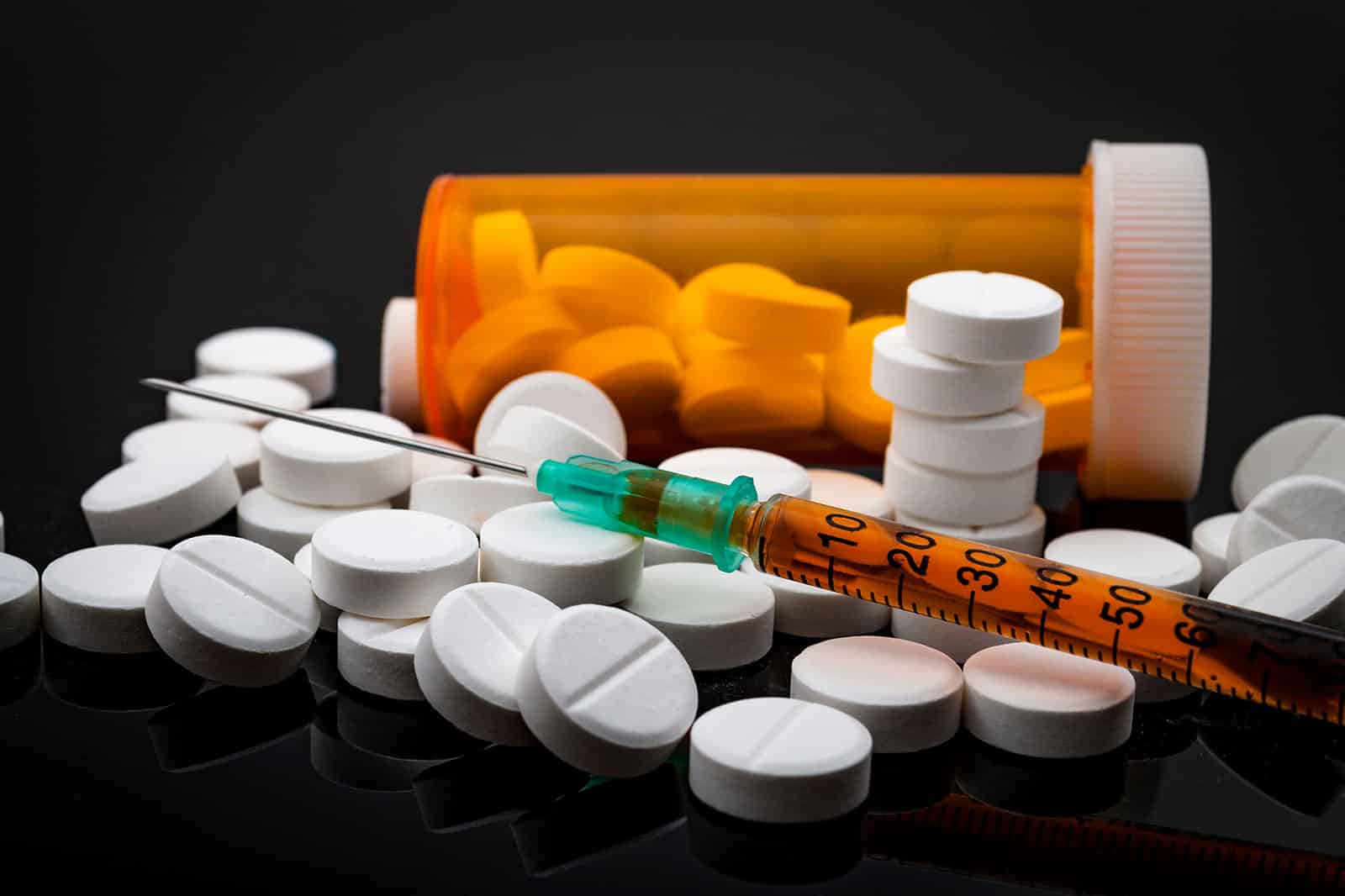
Nodding out is caused by fentanyl, heroin, hydrocodone, oxycodone, and other prescription opioids.
Additionally, fentanyl may be mixed into other street drugs without you knowing.
Mixing opioids with other substances increases the effects of sedation. It can be dangerous when combined with alcohol, benzodiazepines, and antidepressants.
Fentanyl’s Role in Nodding Out
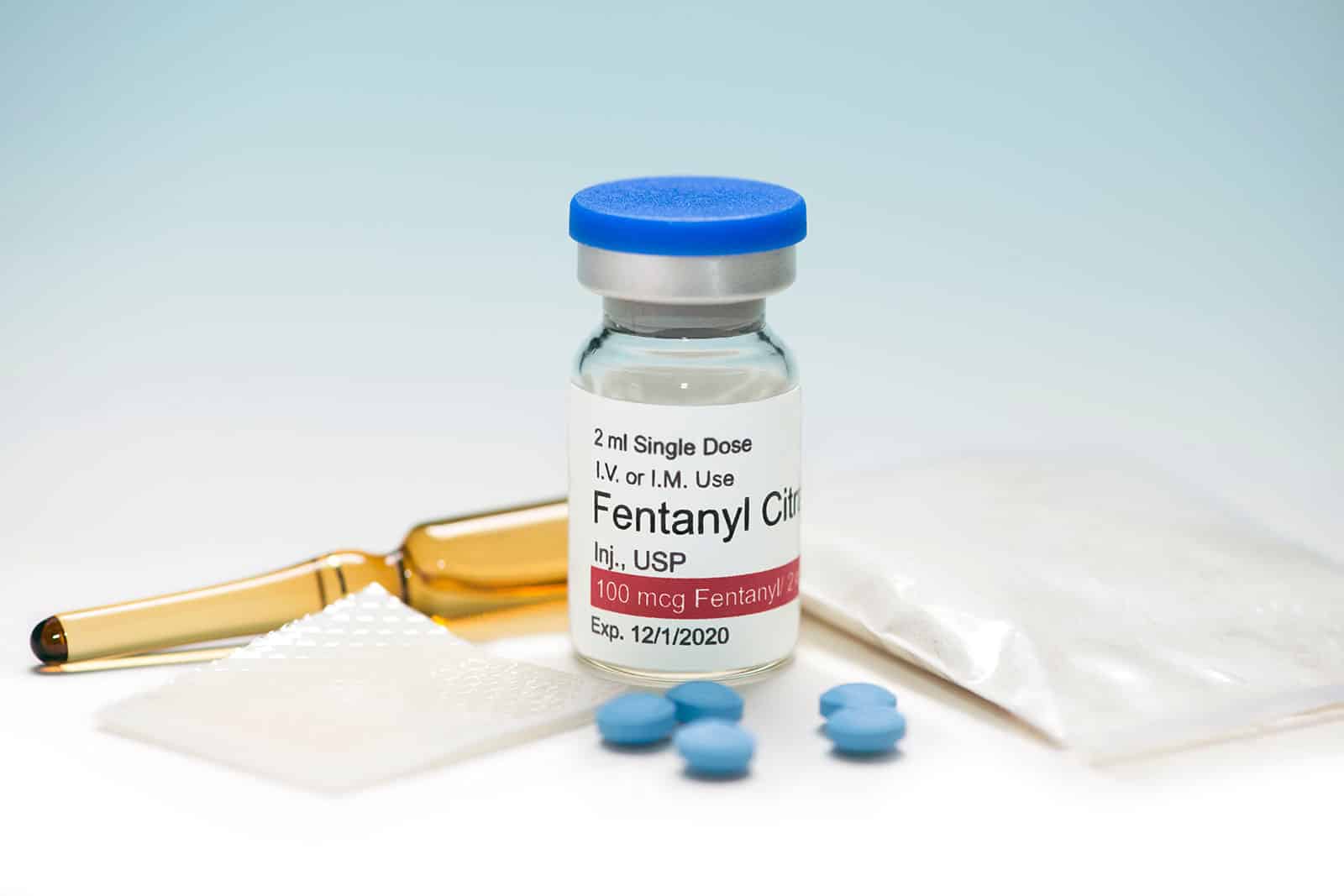
Nodding off is often related to fentanyl because of this particular drug’s potency. It’s 50 times stronger than heroin and 100 times stronger than morphine.
Therefore, many people don’t realize they’re consuming too much, especially if the fentanyl is mixed with other substances.
Unfortunately, fentanyl is a depressant that affects the brain. It sedates the central nervous system (CNS), putting an individual into a trance-like state.
This trance-like state is what we know as nodding out.
The Dangers of Nodding Out
Nodding out can cause various health problems that can put your life at risk. Adverse side effects can include the following.
1. Choking
If the patient is gurgling or bent over, there’s a risk that they might choke. Be sure to place them in a safe position to prevent choking.
2. Accidental Injury
Accidents can happen when someone nods out while performing other tasks. They could fall, hit their head, or even get into car accidents.
Additionally, if someone nods off while smoking, the cigarette butt may also cause a fire.
3. Respiratory Depression
Consuming too much fentanyl can slow breathing and heart rate. In some cases, the breathing may stop altogether.
This stops oxygen from flowing to the brain, causing brain damage.
4. Overdose Deaths
Excessive opioid use can lead to life-threatening overdoses, coma, and death. According to the OSC, 85% of all drug-related deaths in New York are caused by an opioid overdose.

How to Help Someone Who Is Nodding Out
The American Psychological Association says that most opioid users have experienced at least one overdose in their lives. Knowing how to respond to an opioid overdose can potentially save a life.
1. Call 911
Be sure to call paramedics immediately. A 911 operator can send an ambulance and walk you through the next steps.
2. Check for Breathing and Responsiveness
You can tell whether someone has had a drug overdose if their breathing has become infrequent.
First, make sure nothing is in the mouth and throat. Next, rub your knuckles up and down their breastbone. This can help the patient breathe even if they’re unconscious.
In case they stop breathing, you should administer rescue breathing.
3. Administer Naloxone
Naloxone is a life-saving drug that can reverse the effects of opiates in an emergency. If you suspect a family member has an opioid addiction, you should always have one on hand.
You can administer naloxone through a nasal spray or an intramuscular syringe. Stay with the person, and see whether you need to administer a second dose.
Wait for the medics to arrive.

Treatment and Long-Term Solutions to Nodding Out
If someone you know has overdosed on fentanyl, it may be a sign of a substance use disorder. The initial trip to the hospital is just the beginning. They’ll need professional treatment to address the drug addiction.
Here’s how Long Island Treatment Center can help with long-term sobriety.
1. In-Depth Assessments
No two people experience recovery the same way. Because of this, the most effective addiction treatment programs are tailored to an individual’s specific needs.
To identify your needs, a healthcare professional must carefully assess your situation. We’ll look into your background and medical history. Moreover, we determine the level of addiction and present you with appropriate treatment options.
We want to understand who you are and what caused the drug use. This is all so we can give you the best treatment plan!
2. Medically Supervised Detox
Although not life-threatening, opioid withdrawal symptoms can make you severely sick. You experience chills, insomnia, vomiting, and elevated heart rates. The cravings can get intense, and various health issues can last for a week or longer.
This is where medication-assisted treatment comes in.
Long-Island Treatment Center uses prescription medication to ensure your comfort during detox. We recommend medications that’ll ease even fentanyl withdrawal symptoms.
Not only that, we also offer an outpatient detox program that lets you break free from addiction from the safety of your home.
3. Mental Health Support
Recovering from substance abuse requires a multi-faceted approach. Fortunately, we offer a range of evidence-based therapies that can support your mental health.
Here are just some of our services.
- Individual Therapy: Individual therapy is one of the most effective methods for managing mental health. In this type of therapy, you attend one-on-one sessions with a psychotherapist to discuss your problems and emotions.
- Family Therapy: This type of therapy treats not just an individual, but the whole family unit. Family therapy prevents you from feeling isolated in your home and resolves conflicts that happen due to drug abuse.
- Cognitive Behavioral Therapy: CBT involves cognitive restructuring, where you learn how to identify negative thoughts. Once you know the cause of the negative thoughts, you can replace them with healthier ones.
4. Aftercare Planning
Aftercare or continuing care is the next step to treatment. Even after you’ve left the facility, you still need the resources and support to prevent a relapse.
Aftercare helps you navigate the transition back to everyday life. We do this through housing support, peer support, and vocational training.
Aftercare is important because it encourages you to stay sober throughout challenges.

Know Your Options at Long Island Treatment Center
Treatment for fentanyl and heroin use can vary depending on the severity of the addiction. Luckily, Long Island Treatment Center is fully equipped to handle your case.
You can choose from the following treatment programs.
1. Outpatient Care
Outpatient treatment is best for those who don’t need round-the-clock monitoring.
You can resume your work or school, and you only need to come to the facility for a few hours each day.
However, a stable home environment is necessary for the success of this type of treatment.
2. Inpatient Care
Inpatient care or residential treatment has a stricter environment to prevent you from relapsing. You’ll follow a structured schedule as you attend therapy and other activities throughout the day. You also stay at the rehab center at night, where healthcare professionals can monitor you.
3. Partial Hospitalization
Partial hospitalization is similar to outpatient care because it lets you return home at night. The difference is that it has a strict structure, like inpatient care.
Partial hospitalization programs give you more time to attend treatments. You get daily professional interaction at a lower cost.
4. Sober Living
After inpatient treatment, you can move to a sober living house, which provides a constructive environment.
At sober living, you meet peers who are going through the same struggles. You’ll have some house rules, a curfew, and regular drug testing to promote accountability.
It’s a safe home where you can learn how to adjust to life outside the facility.
Conclusion
Nodding out may seem harmless, but when fentanyl is involved, it’s a sign of an overdose. If one of your friends is nodding off, you must take action immediately.
Be sure to check their breathing, call 911, and administer naloxone if possible. Once the emergency has passed, consider intervening and taking them to a rehab center.
The good news is that fentanyl and heroin addiction are treatable. With the right treatment and support, you can overcome heroin use.
If you’re ready to take the first step to your recovery journey, consider reaching out to us. We at Long Island Treatment Center are here to support you in a better, drug-free life!