




Post-Colonoscopy Guidelines for Recovery, Alcohol Consumption, and Digestive Health
A colonoscopy is a routine endoscopy procedure used to screen for colorectal cancer, detect polyps, and investigate gastrointestinal symptoms. Following a colonoscopy, especially one involving sedation, many patients wonder: Can I drink alcohol 8 hours after the procedure? Understanding the effects of sedation, bowel prep, and post-procedure care is crucial for a safe and comfortable recovery.
Effects of Sedation and Why Alcohol Is Discouraged
Most colonoscopies involve some form of sedation to help patients relax, ranging from a mild sedative to deep sedation with propofol, which is closer to general anesthesia. These anesthetic drugs can linger in your system for several hours, potentially impairing your coordination, judgment, and reaction time. Alcohol is a depressant and can interact negatively with residual sedative effects, increasing the risk of lightheadedness, low blood pressure, or even unconsciousness.
As a general rule, alcoholic beverages should be avoided for at least 24 hours after a colonoscopy, even if you feel alert. This caution is especially important if biopsies were taken or polyps were removed during the procedure.
Digestive Recovery After a Colonoscopy
After the colonoscopy procedure, your digestive system is still recovering from the bowel prep and from the colonoscope being guided through the rectum and large intestine. Common post-procedure side effects include:
- Abdominal pain or cramping
- Bloating and gas as your body begins to pass gas naturally
- Dehydration from the prescription laxative (or enemas) used during colonoscopy prep
- Irregular bowel movements for a day or two, since the prep emptied your colon completely
To aid recovery, healthcare providers recommend that you drink plenty of fluids, preferably non-alcoholic, and reintroduce solid foods gradually, starting with easy-to-digest foods or a clear liquid diet. Popsicles, Jell-O, and electrolyte-rich fluids can help restore hydration and replenish lost electrolytes.
Why 8 Hours Isn’t Enough
You may have encountered online sources suggesting that 8 hours is sufficient before drinking alcohol after a colonoscopy. This timeline likely refers to when sedation medications are mostly cleared from your bloodstream. However, this overlooks several important factors: your digestive system is still recovering from the bowel prep and procedure, dehydration effects persist beyond the sedation window, and any tissue removal requires additional healing time. Medical guidelines recommend 24 hours as the minimum safe waiting period for routine procedures, precisely because recovery time involves more than just metabolizing sedation drugs.
When You May Need to Wait Longer Than 24 Hours
If your gastroenterologist removed polyps, took biopsies, or performed other interventions during your colonoscopy, you may need to wait 48-72 hours before consuming alcohol. These procedures create small wounds in your colon lining that need time to heal. Alcohol can thin the blood slightly and irritate a sensitive digestive tract, potentially increasing the risk of bleeding from these sites. Always follow your provider’s specific post-procedure instructions, as they know exactly what was done during your exam.
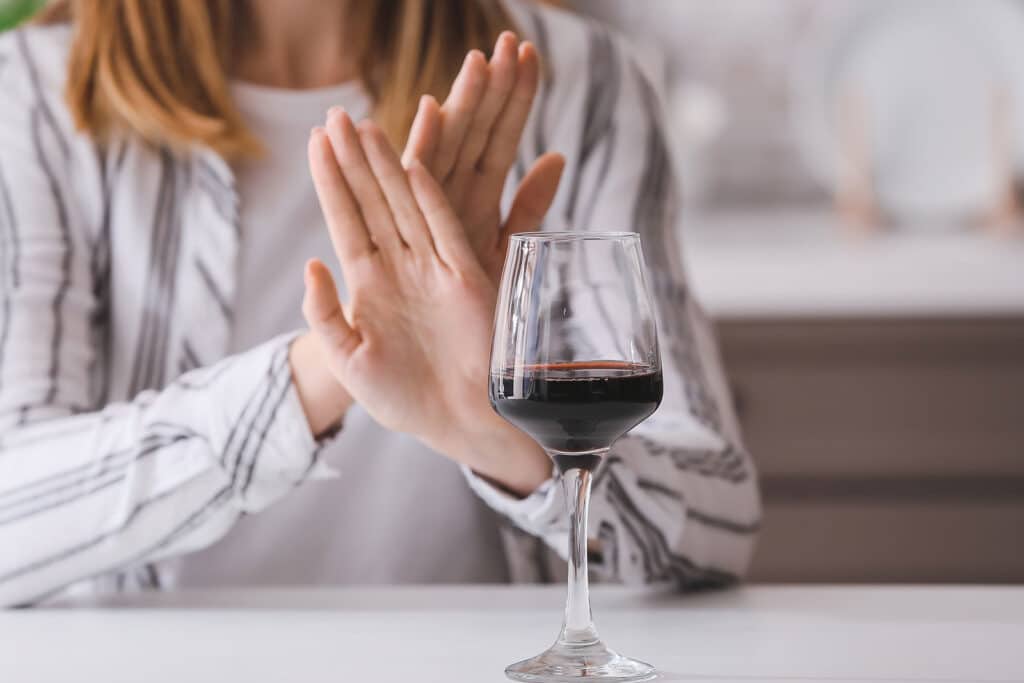
Risks of Drinking Alcohol Too Soon
Drinking alcohol just 8 hours after your colonoscopy may:
- Increase your risk of dehydration
- Irritate your digestive system
- Complicate recovery if you experience side effects like bloating or abdominal pain
- Interfere with the healing process, especially if tissue samples were taken
- Mask symptoms that require follow-up medical advice
Additionally, combining alcohol with any post-procedure medications or supplements can create dangerous interactions.
Other Medications and Substances to Be Careful With
Alcohol gets the most attention, but it isn’t the only thing to think about during the first day or two after the procedure.
- Pain relief. If you have cramping, Tylenol (acetaminophen) is the usual recommendation. Aspirin, ibuprofen, and other anti-inflammatory medicines can increase bleeding risk, so many providers ask you to hold them for several days after a biopsy or polyp removal. Follow the written instructions you were given.
- Blood thinners. If you paused a prescription blood thinner before the exam, don’t restart it on your own. Your provider will tell you when, and the answer depends on what was found.
- Sleep aids, anxiety medication, and cannabis. Anything that depresses the central nervous system stacks on top of leftover sedation the same way alcohol does. Skip them for the rest of the day unless your doctor says otherwise.
- Laxatives. The prescription laxative from your bowel prep has done its job. Don’t take more to “finish cleaning out,” and don’t be alarmed if you have no bowel movements for a day or two afterward.
- Caffeine. Coffee is fine once you’re drinking fluids normally, but go easy on the first day, since it adds to dehydration.
When Is It Safe to Resume Alcohol Consumption?
Your gastroenterologist may provide specific instructions based on whether your colonoscopy involved:
- Removal of polyps or abnormalities
- Biopsies
- Use of blood thinners or other medications
If your procedure was routine and no interventions were necessary, most providers still advise waiting a full 24 hours before consuming alcohol. When in doubt, always follow your provider’s instructions or reach out to their office with any post-procedure questions.
When to Seek Medical Attention
Mild cramping, bloating, and a small streak of blood on the first bowel movement are normal, especially after polyp removal. The following signs and symptoms are not, and they call for a phone call to your gastroenterologist’s office or nurse advice line the same day:
- Persistent bleeding, more than a few tablespoons, or bleeding that continues past the first day
- Abdominal pain that gets worse instead of better, or a hard, swollen belly
- Fever or chills
- Nausea or vomiting that stops you from keeping fluids down
- Dizziness, fainting, or a racing heartbeat, which can point to dehydration or blood loss
Heavy rectal bleeding, severe pain, or trouble breathing need immediate medical care. Go to the nearest emergency room or call 911 rather than waiting for a callback. A perforated colon is rare, but it is the one complication that cannot wait.
Alcohol complicates all of this. It thins the blood, blunts pain, and makes it harder to tell whether what you’re feeling is a hangover or a problem. That is one more reason the 24-hour rule exists: it keeps the picture clear during the window when complications usually show up.
Follow-Up Care
If polyps were removed or biopsies taken, pathology results usually arrive within one to two weeks, and your provider may schedule a follow-up appointment to review them and set your next screening date. Keep those appointments. Also mention any changes in your health since the procedure, including new bowel habits or trouble cutting back on alcohol during the recovery window. If the 24-hour wait felt harder than it should have, that is worth a conversation with your doctor, or with us.
Conclusion
While it may be tempting to resume normal activities shortly after your colonoscopy, drinking alcohol just 8 hours after the procedure is not recommended. The combination of sedation, digestive system recovery, and potential side effects makes alcohol consumption risky. Focus instead on rehydrating, eating gentle foods, and giving your body time to rest for the remainder of the day. For personalized medical advice, consult your gastroenterology team during your follow-up.
FAQs
Can I drink alcohol if I didn’t have sedation?
What if I feel fine after 8 hours?
What can I drink immediately after a colonoscopy?
Why is alcohol riskier if tissue was removed?
When can I eat fiber foods or whole grains again?