




Your kidneys play a pivotal role in your body’s overall health and wellness. They filter out waste, balance electrolytes, regulate blood pressure, and keep your internal systems running smoothly.
If you’re recovering from illness, substance use, or chronic conditions, maintaining kidney function is especially important. One of the best ways to aid detoxification during this time is by incorporating natural juices into your daily routine.
In this article, we’ll explore five juices known for their kidney-supporting benefits and offer guidance on how to include them in your daily routine.
How Juices Support Kidney Health
During detox and early rehabilitation, your kidneys may be processing higher-than-usual loads of toxins, including:
- Residual substances and metabolites
- Byproducts of medications
- Inflammatory compounds from oxidative stress
- Dehydration or electrolyte imbalances caused by substance use
Fresh, nutrient-rich juices can help your body in the following ways:
- Flush out toxins with natural hydration and mild diuretic properties
- Reduce inflammation in the kidneys and urinary tract
- Protect against oxidative stress with high-antioxidant compounds
- Support liver and gut function, easing the burden on the kidneys
- Encourage alkalinity, which creates a less taxing environment for your kidneys
The goal is not extreme cleansing or crash detoxing, but gentle, sustainable nourishment to support your body’s natural healing systems.
Juices are not a cure or a replacement for medication or a prescribed renal diet. But when used in moderation and as part of a balanced routine, they can enhance your kidneys’ natural detox process.
The 5 Best Juices for Kidney Health
Whether you’re new to recovery or well along the path, here are five detox juices for kidney health, plus simple recipes and tips for making them part of your self-care routine.
1. Lemon Juice
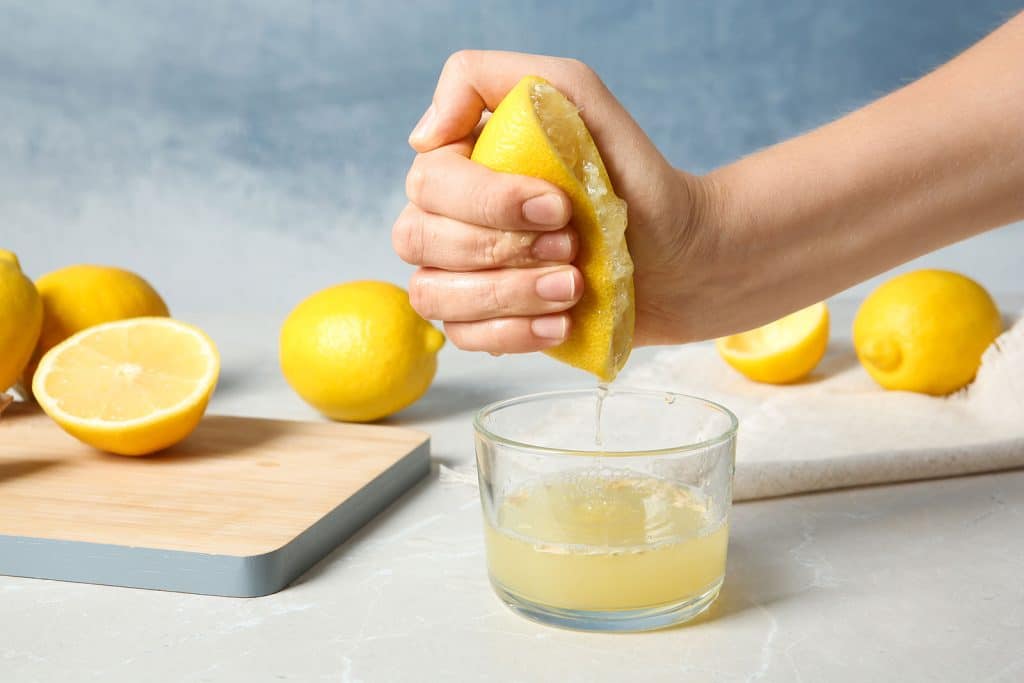
Lemon juice is a classic detox staple, and for good reason. It’s rich in citrate, which binds to calcium and helps prevent kidney stones.
More importantly, in recovery, lemon juice helps create a more alkaline internal environment, reducing stress on your kidneys after periods of high acid buildup. This acidity is quite common after substance use or chronic illness, and it’s not seen as the healthiest medium for wellness.
How it helps detox:
- Encourages bile production and healthy digestion
- Helps the kidneys flush out uric acid and waste
- Boosts hydration with flavor, making it easier to drink more water
Easy recipe: Juice of ½ a lemon + 8–12 oz warm water in the morning. You can also add a few mint leaves or a pinch of turmeric for extra detox support
Infusion tip: Keep a bottle of lemon-mint water in the fridge to sip throughout the day.
2. Cranberry Juice
Cranberry juice is widely known for its role in preventing urinary tract infection (UTI), but in recovery, its value goes deeper.
It’s rich in antibacterial compounds that help clear out lingering toxins or bacteria in the urinary tract, which is a common issue for those recovering from opioid or alcohol use.
How it helps detox:
- Prevents bacterial buildup in the kidneys and bladder
- Flushes excess fluids gently through increased urination
- Supports immune function during early recovery
Best use: 4–6 oz of unsweetened cranberry juice diluted with water or apple juice
Option: Add a splash of cranberry juice to sparkling water with lime for a kidney-friendly soda alternative
3. Beet Juice
Beets are a deep red root vegetable packed with betalains and nitrates, which support two major detox organs: the liver and the kidneys.
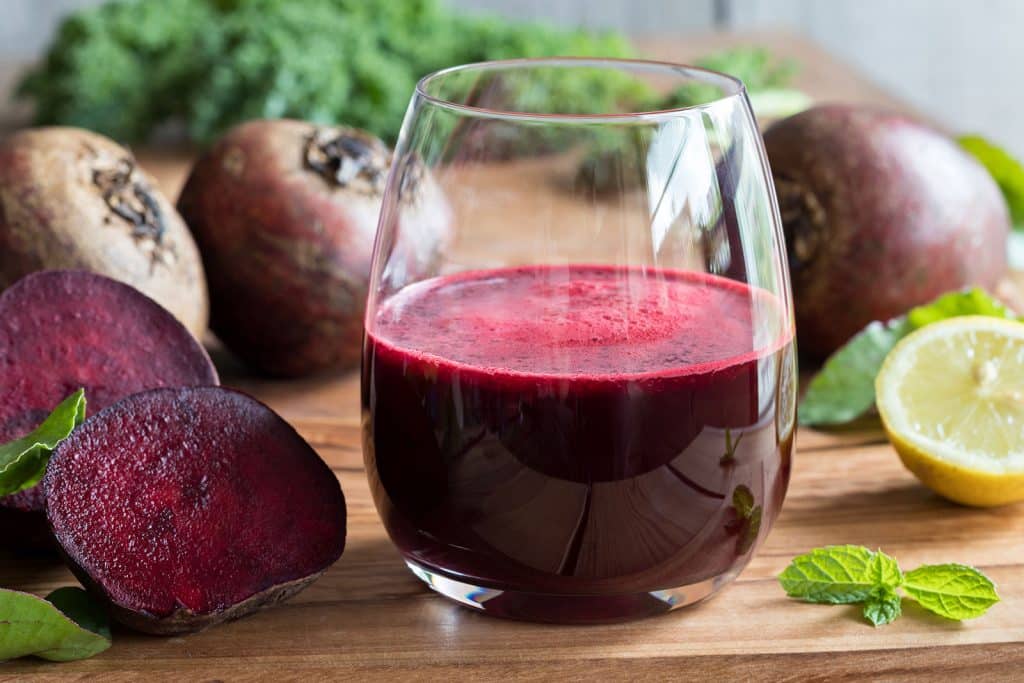
During recovery, your body may be dealing with excess toxins, inflammation, and blood pressure fluctuations. Fortunately, beet juice helps address all three.
How it helps detox:
- Boosts nitric oxide, improving circulation and kidney filtration
- Reduces oxidative damage to the kidney and liver tissues
- Promotes healthy blood pressure, which is an integral part of kidney function
Juicing tip: Juice 1 small beet with 1 green apple, 1 celery stalk, and half a lemon. Drink 4–6 oz at a time. Start slow since beets are powerful, and too much too fast can be overwhelming.
Infused option: Add beet slices to a pitcher of water with mint and cucumber. It’s a cold, earthy, and quite refreshing detox infusion.
Note: Beet juice is high in oxalates. If you’ve had oxalate-based kidney stones or similar health conditions, use cautiously and in small amounts.
4. Blueberry Juice
Blueberries are often called a “brain food,” but they’re just as beneficial for your kidneys.
They’re rich in anthocyanins, which are antioxidants that combat free radicals. They slowly ingest unstable molecules that accumulate during substance abuse and stress. By doing that, antioxidants prevent free radicals from damaging healthy cells.
How it helps detox:
- Reduces kidney inflammation
- Supports tissue repair and recovery
- Aids gut health, which indirectly supports detoxification
Simple recipe: Blend ½ cup fresh or frozen blueberries with water or unsweetened coconut water. Add a squeeze of lemon and a pinch of cinnamon for extra antioxidant benefit.
Hydration hack: Freeze blueberry juice in ice cube trays and drop into water for a gentle detox boost with color and flavor.
5. Apple Juice
Apple juice is a gentle juice for the digestive and urinary systems, making it ideal in early detox when the body is sensitive. It’s low in potassium and rich in malic acid, which may help support kidney function and prevent stone formation.
How it helps detox:
- Stimulates bile flow and liver cleansing
- Alkalizes urine
- Hydrates without overwhelming the kidneys
Try this blend: ½ cup unsweetened apple juice + ½ cup water + 1 tsp raw apple cider vinegar + fresh mint = a kidney-friendly mocktail with added digestive support.
Infusion idea: Add thin slices of green apple and a cinnamon stick to a mason jar of filtered water. Chill overnight and sip throughout the day.
Juicing vs. Whole Fruits
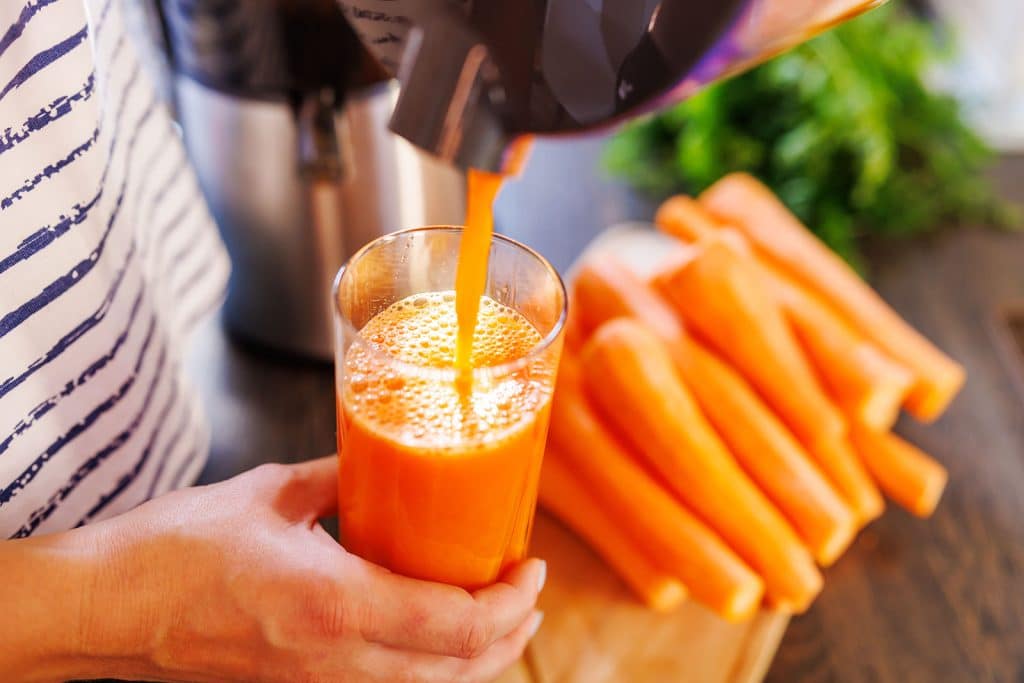
Juicing offers a concentrated dose of vitamins, antioxidants, and hydration. It’s especially helpful for individuals who may be dealing with nausea, low appetite, or digestive issues in early recovery.
The nutrients in fruit are absorbed more quickly by the body, giving a gentle, energy-boosting effect that can be useful when energy is low or digestion is sluggish.
Whole fruits contain one critical element that juice doesn’t: fiber. It slows down the release of natural sugars into the bloodstream, supports healthy digestion, and plays a role in blood sugar stability.
Fresh greens and fruits also take longer to eat and digest, which can create a greater sense of fullness and satisfaction, helping to reduce cravings or emotional eating patterns during recovery.
For long-term healing and nutritional balance, fruits should remain a core part of your daily diet. But for hydration, quick nourishment, or gentle detox, a freshly prepared juice can be a valuable complement.
Adding Juices to Your Daily Routine
Start by choosing one time of day that works best for you: a quiet morning moment, a midday pick-me-up, or an evening wind-down ritual, and make that your juice time.
You might begin your day with a glass of warm lemon water to stimulate digestion and rehydrate after sleep. Or maybe you prefer a calming, antioxidant-rich juice in the late afternoon when your energy dips.
If you’re not ready to commit to fresh juicing every day, that’s perfectly fine. Preparing juice in small batches ahead of time can help make the habit more manageable.
You can also use juice cubes frozen in advance, or infuse your water with slices of lemon, apple, cucumber, or mint for similar benefits with less effort.
What matters most is finding a rhythm that fits into your life without adding stress.

Juices to Limit or Avoid During Detox
While many fruits offer important nutrients, not all juices are equally beneficial. This is especially true during detox and early recovery, when your kidneys may be working harder than usual to process and eliminate waste.
Some juices can place unnecessary strain on the kidneys due to their sugar content, acidity, or additives. Knowing what to avoid is just as important as knowing what to include.
Orange juice, for example, is often considered healthy, but it can be problematic during detox. It’s naturally high in potassium and oxalates.
For individuals with chronic kidney disease (CKD) or electrolyte imbalances, orange juice may do more harm than good. It’s also quite acidic, which may irritate the stomach or contribute to reflux, especially in early recovery.
Grape juice, particularly the kind found on grocery store shelves, is often heavily processed and loaded with added sugars. Excess sugar not only burdens the kidneys but can also disrupt blood sugar levels and energy stability.
Commercial juice blends and “detox drinks” can be especially misleading. While the labels may promise cleansing effects, many are packed with artificial flavors, sweeteners, or preservatives that may counteract the health benefits you’re seeking.
When choosing juice, the golden rule is to read the label closely, or better yet, make it yourself. If you’re unsure, diluting store-bought juice with water can help reduce sugar concentration and make it gentler on your system.
Final Thoughts
In recovery, your body and mind are working every day to rebuild confidence, balance, and strength. The road can feel long, but small choices, like what you drink or how you care for yourself in quiet moments, have a powerful cumulative effect.
At Long Island Treatment Center, we understand the importance of holistic support in recovery. That’s why our programs go beyond detox and clinical treatment to include nutrition education, wellness strategies, and long-term relapse prevention.
Recovery isn’t about doing everything at once. It’s about building healthy habits that last. Starting with something as simple as a glass of juice can be a meaningful step forward.