


According to the National Institute on Drug Abuse (NIDA), methamphetamine is among the most abused substances in the US, alongside nicotine, alcohol, cocaine, and opioids.
Previous surveys estimate over 1.6 million people struggling with methamphetamine use disorder in the US. Roughly 2.5 million individuals aged 12 and above admitted to using the illicit drug at least once a year.
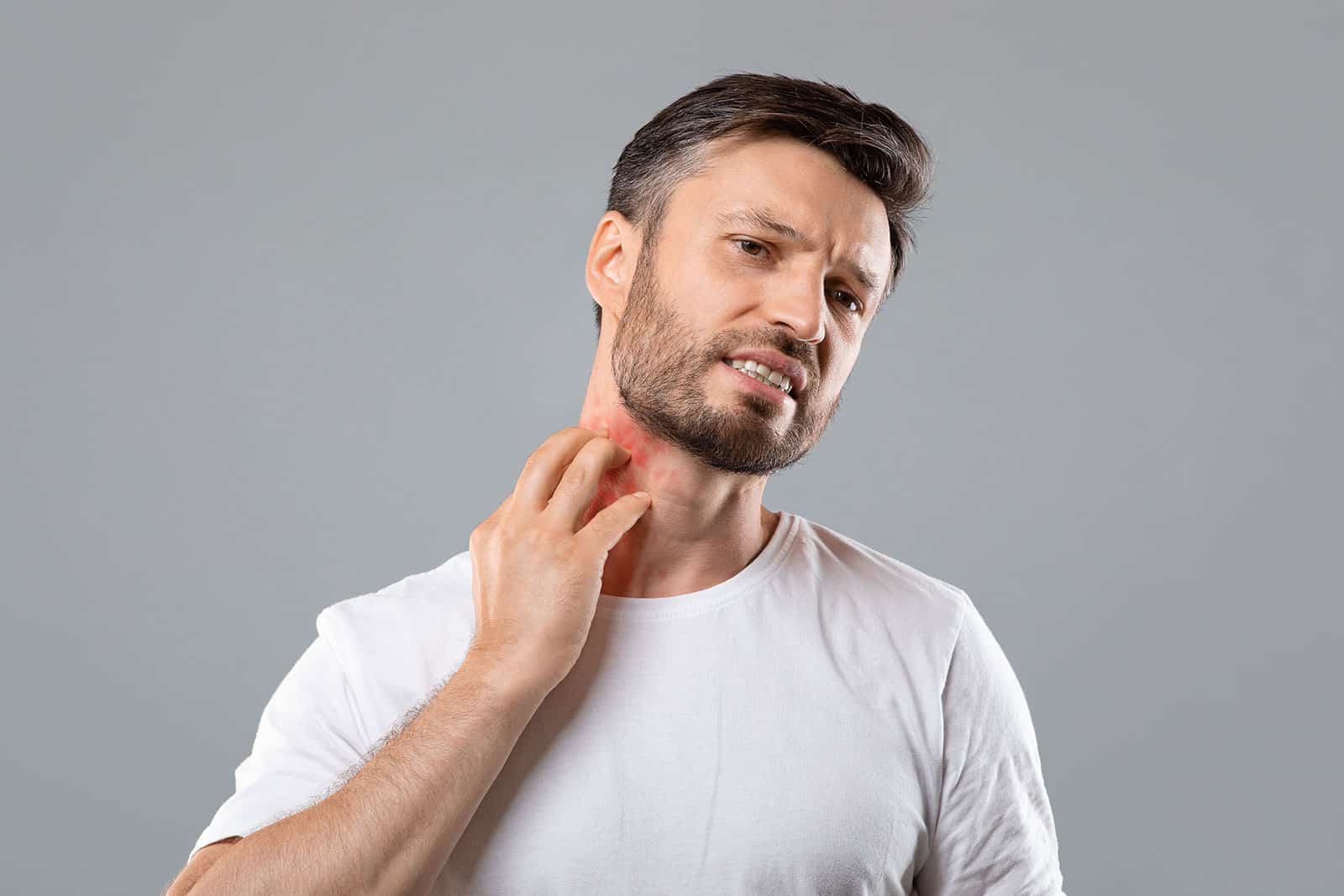
Like most illicit drugs, misusing meth comes with a range of physical and mental health effects. But it’s also common for meth users to experience a particular issue that causes a persistent prickly or “crawling” sensation on or under the skin.
Why does meth make you itch?
This guide will explain what meth mites are, their causes, and other skin-related harms of methamphetamine abuse. We’ll discuss the early signs of meth addiction, its dangers, and the best treatment options available.
Why Does Meth Make Your Skin Feel Itchy?
Methamphetamine, colloquially known as crystal meth, is a synthetic stimulant abused for its euphoric effects. It speeds up your body’s central nervous system (CNS), boosting dopamine release, the brain chemical responsible for pleasure and motivation.
Many of the drug’s effects, including itches and sores, have a lot to do with how methamphetamine rewires your brain.
How Meth Changes the Brain
Meth causes powerful and immediate effects, including a rush of euphoria, increased energy, feelings of well-being, and alertness. It’s common for the heart rate, blood pressure, and body temperature to rise after meth use.
An increasing pile of evidence has proven that chronic meth abuse could result in both short-term and long-term effects on the brain.
According to American Addiction Centers, methamphetamine use disorder is associated with increased neuronal death, decreased white matter, dopamine issues, cellular collapse, and reduction of glial cells.
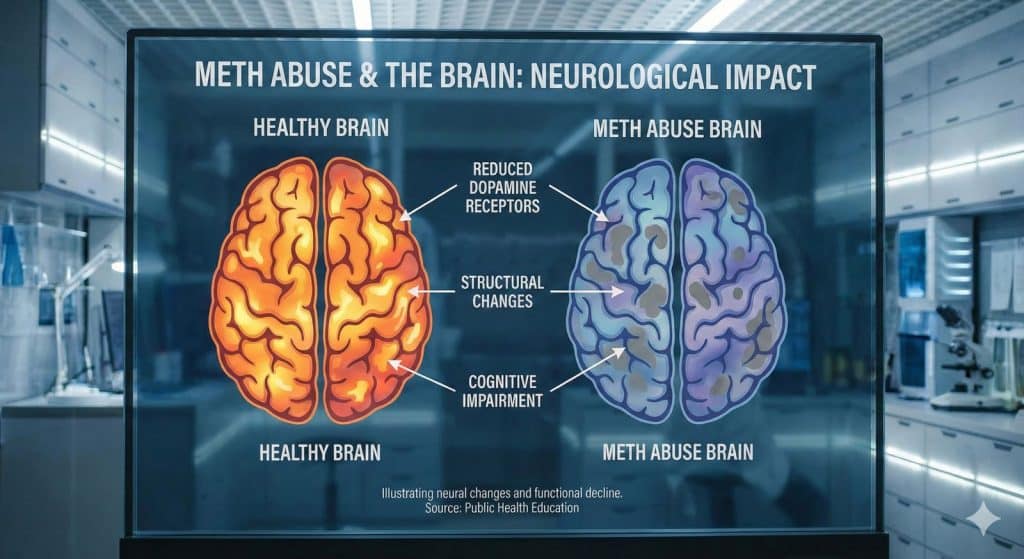
Moreover, the addictive stimulant damages crucial veins, arteries, and blood vessels, leading to an increased risk of blood clots and stroke.
Psychological issues have been observed in individuals with chronic addiction involving methamphetamine. They become more vulnerable to mental illnesses, such as psychosis, hallucinations, delusions, and impaired senses.
One example of these psychiatric issues is meth mite, the feeling or sensation that your skin is itching or crawling with bugs.
What Are Meth Mites?
Meth mites are a type of sensory hallucination typically experienced by those who struggle with methamphetamine addiction. This is entirely psychological and can occur even without any real itch or bugs present.
Four out of ten people diagnosed with meth substance use disorder (SUD) have reported experiencing meth mites. Mental health experts call this formication syndrome, and there are various causes for it besides SUD, including:
- Serious mental health illness (schizophrenia, anxiety, depression, obsessive-compulsive disorder, etc.)
- Neurological conditions, such as dementia, multiple sclerosis, meningitis, and encephalitis
- Substance abuse withdrawal symptom
- Medical ailments like hyperthyroidism, viral infections, diabetes, neuropathy, and vitamin D deficiency
- Certain medications with formication side effects, particularly steroids, amantadine, ciprofloxacin, and ketoconazole
While not immediately life-threatening, meth mites can result in serious physical and mental health consequences.
The sensation the condition causes can be incredibly uncomfortable and often unbearable. Individuals affected typically pick the area they believe is itching or crawling with insects.
Attempting to relieve the discomforting feeling, they may scratch their skin nonstop, causing it to break and become irritated.
As skin picking continues, rashes, open wounds, and abscesses can appear across the person’s face and body. Inflamed blister-like open sores with round shapes and a reddish or moist look to them are common results of meth mites.
Over time, multiple scabs can form over the healed skin sores, indicative of people who abuse methamphetamine.

Health Consequences of Meth Mites
Meth sores can be unsightly, but they also pose serious complications and risks that could endanger the person’s life. Several factors can influence meth mite development:
- Poor hygiene: A person living with chronic addiction often neglects their hygiene, turning open wounds vulnerable to viruses and bacteria.
- Compromised immune system: Methamphetamine addiction is known to weaken immune function, slowing down wound healing and impairing the body’s ability to fight infection.
- Drug administration: Injecting meth into the skin can cause skin and blood vessel damage, exacerbating the condition.
- Malnutrition: Vitamin and mineral deficiencies can contribute to the development of formication syndrome, particularly deficiencies in folate, B12, and thiamin.
Early intervention is essential to preventing further health complications. However, with constant methamphetamine drug use, meth mites can leave anyone at risk of:
- Recurrent infections: Viral and bacterial infections can persist and spread with untreated, open wounds.
- Organ damage and infection: If left untreated, recurring skin cellulitis can invade deeper tissues and into the bloodstream, infecting vital organs, including the lungs, bones, joints, and kidneys.
- Sepsis: This is a deadly infection that can start anywhere in the body. It causes a severe reaction in the immune system, causing multiple organs to stop working, which can result in death.
- Endocarditis: When bacteria and viruses enter the bloodstream, they can damage the heart by infecting the valves in a condition called endocarditis.
Meth mites trigger or worsen pre-existing mental illnesses. Feeling the intense sensation of bugs crawling under their skin, people with anxiety disorders may become more anxious and restless.
As the paranoia intensifies, the individual might start isolating themselves from the shame of the condition, further aggravating depression and anxiety.
How Are Meth Mites Treated?
Meth mites and sores can continue to appear as long as the person persists in abusing meth. The best way to treat the tactile hallucination alongside its symptoms is to seek expert help for methamphetamine use disorder.

Nevertheless, simple home wound care can go a long way in preventing deadly infections and helping minimize scarring.
Proper wound care is important—keeping deep or raw wounds clean and moist. You can do this by rinsing fresh gashes with clean water and applying oil-based ointments to keep bacteria at bay and the wounds from drying out.
If you notice any signs of infection, such as redness and inflammation, see a doctor for medical help. Healthcare providers may offer psychiatric support for your ailment, so be honest about your condition.
Other Dermatological Effects of Meth
Apart from skin-related issues, misusing methamphetamine frequently and in higher doses, over a long period of time, can lead to other dermatological and oral problems.
Meth face refers to the physiological changes in a person’s general appearance following prolonged and heavy meth use. Ongoing sores, abscesses, lesions, skin discoloration, and weight loss are examples of these manifestations.
One 2020 study found that people who habitually abuse meth have noticeably asymmetrical faces. While asymmetry can be expected with age, those who struggle with meth addiction exhibit exaggerated facial imbalances.
They’re also more likely to show signs of meth mouth, characterized by tooth decay, gum disease, gingivitis, missing teeth, and bruxism (grinding teeth).

Are Meth Mites a Sign of Methamphetamine Addiction?
Meth mite or formication is typically a sign of methamphetamine addiction. It happens after frequent, high-dose, and long-term abuse of the powerful stimulant and is a strong indicator of SUD or dependence.
Additional cognitive and emotional signs of meth addiction are:
- Violent behaviors
- Anxiety
- Depression
- Paranoia
- Learning issues
- Forgetfulness
- Insomnia
- Confusion
As the drug damages parts of the brain responsible for movement, someone living with severe meth addiction can appear clumsy and uncoordinated. Visual and auditory hallucinations occur as well.
What Other Drugs Affect Skin Health?
Skin conditions are often associated with misusing illicit substances. The method of administration, the amount of drugs, and the user’s overall health can all impact the severity of skin problems.
Injecting opioids and heroin can leave track marks (visible scars, wounds, and discolorations) on the forearms and the inside of the person’s elbows. Wound botulism is a serious condition contracted from using unclean needles.
Smoking crack and cocaine has been known to disrupt the body’s natural hair growth cycle, which can lead to thinning eyebrows and body hair.
Alcohol use disorder (AUD) can indirectly alter someone’s skin and appearance, as prolonged heavy drinking can damage the liver. Liver diseases often lead to spider angiomas, which are red and purple skin spots, as well as jaundice.

Meth Addiction Treatment Options
Modern treatment centers offer evidence-based interventions to address meth addiction alongside its co-occurring disorders. Treatment plans will usually consist of one or a combination of the following:
- Detox Therapy: Withdrawal can be deadly. Detoxification under medical supervision ensures withdrawal symptoms are managed safely.
- Inpatient/Outpatient Treatment Programs: Depending on the severity of addiction, healthcare providers may recommend inpatient or outpatient care.
- Behavioral Therapy: Aiming to improve behavioral health, talk therapies aim to identify and resolve underlying issues that reinforce substance use with coping strategies.
Bottom Line: Get Help
Addiction is a vicious disease that breeds numerous physical and psychological issues, including meth mites. If you suspect you or any of your loved ones is developing SUD, don’t hesitate to reach out and find expert support.
Long Island Treatment Centers offers humane, holistic, and personalized care for people struggling with meth use disorder. We are committed to providing the best treatment plans to help you conquer SUD and get your life back on track.
Talk to our team today!
References
- https://nida.nih.gov/sites/default/files/cadchart.pdf
- https://americanaddictioncenters.org/stimulants/meth/effects-on-the-brain
- https://my.clevelandclinic.org/health/symptoms/23960-tactile-hallucinations-formication
- https://www.who.int/news-room/fact-sheets/detail/sepsis
- https://www.sciencedirect.com/science/article/abs/pii/S0010482519303452
- https://www.addictioncenter.com/addiction/addiction-vs-dependence
- https://www.healthline.com/health/spider-angioma