


Many medications do not pair well with alcohol. Sometimes, consuming alcohol with a specific medication can lead to unpleasant effects like dizziness or nausea. It can potentially lead to dangerous effects on others. Many people wonder if fluconazole (brand name Diflucan) is one of those medications. To understand the potential risks of taking it while drinking alcohol, it is essential to understand what the medication is, how it works, and the effects alcohol has on the body with and without fluconazole.
What Is Fluconazole?
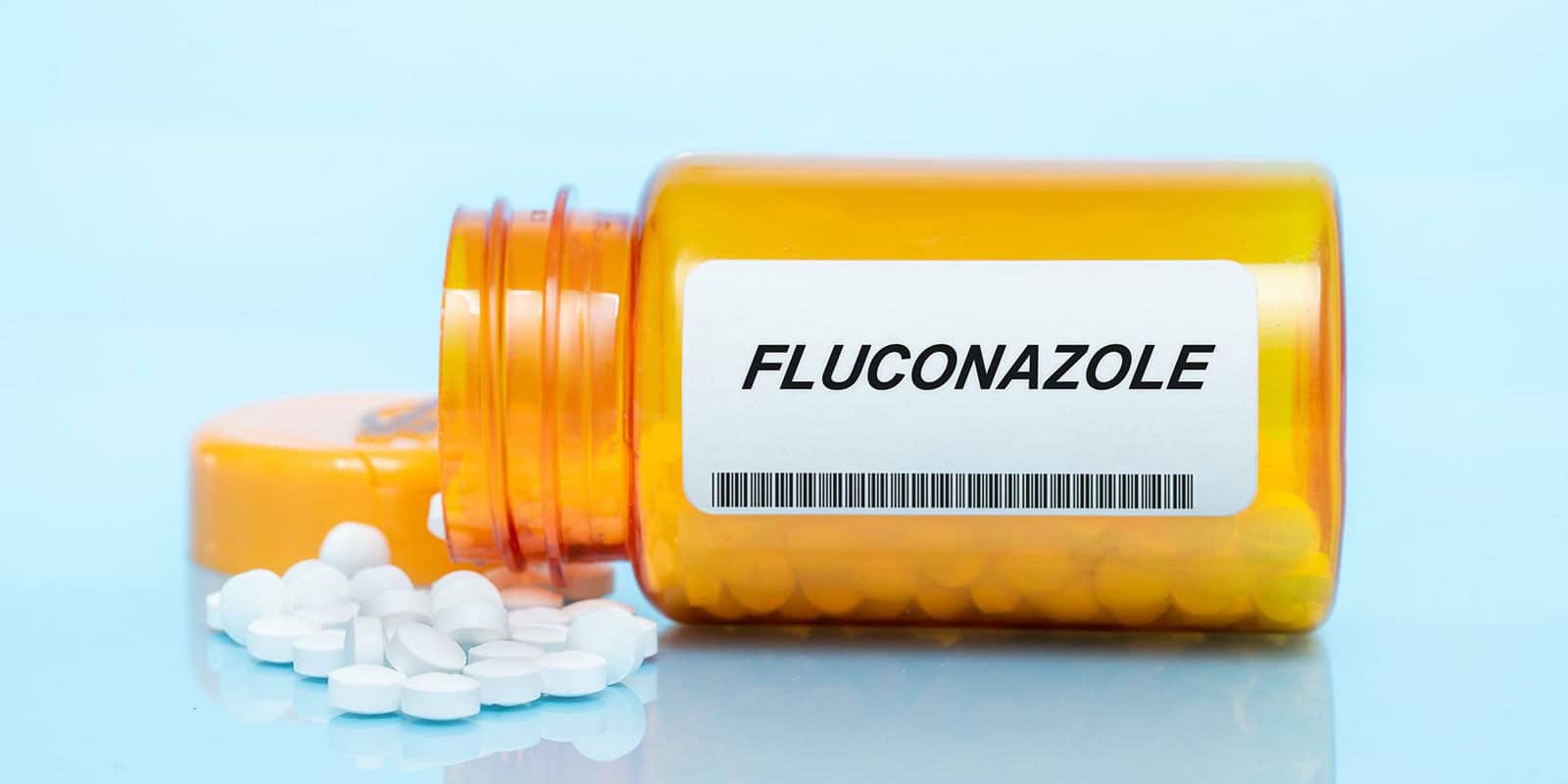
Fluconazole is the generic name for Diflucan. The drug is classified as an azole antifungal and is prescribed for preventing or treating yeast or fungal infections.1 Fluconazole inhibits the growth of some types of fungus. Also, it can kill some types that cause infections. The medication works by attacking the fungus and creating holes in the membrane.2 This means that the contents of the fungus behind the membrane leak out. A result is a well-rounded approach to treating an infection with a dual benefit.
Most people notice an improvement in symptoms within as little as a week or longer. For instance, someone with vaginal thrush may notice symptom improvement after a week. However, it may take about two weeks for someone with a severe fungal infection to see symptoms improve.
Does Alcohol Make Fluconazole Less Effective?
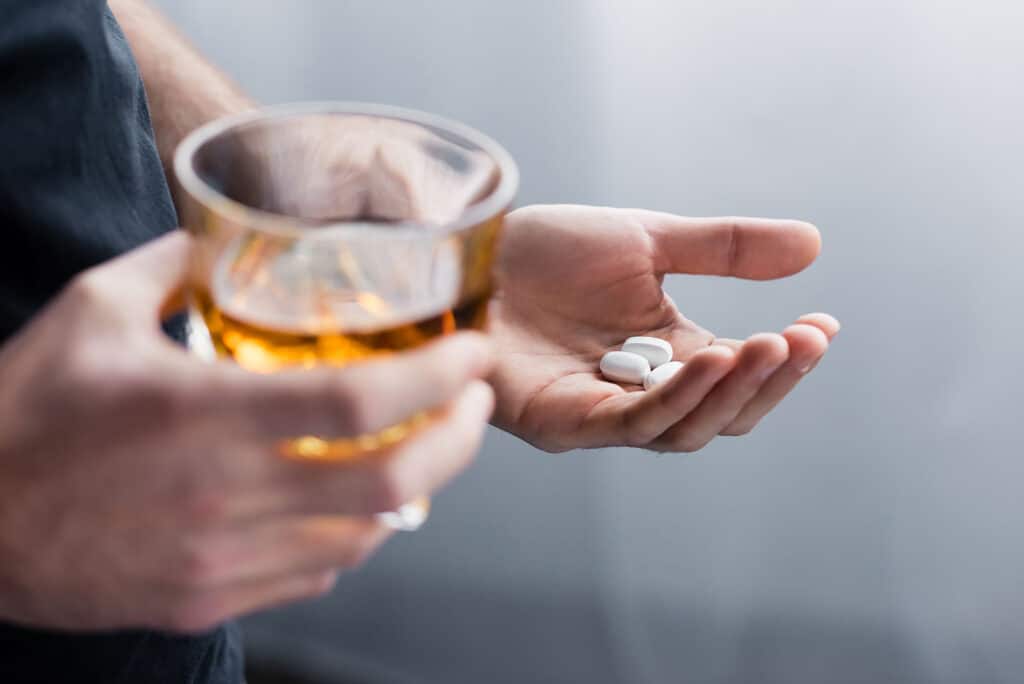
No, alcohol does not make fluconazole less effective. Some people may feel it does if they do not see an improvement in symptoms within the average time frame. The lack of improvement does not come from ineffective medicine. Instead, it comes from alcohol itself. The fluconazole still performs its job in most cases. However, the adverse effects that alcohol has on yeast or a type of fungus can counteract the effectiveness of fluconazole. It helps to understand how alcohol may affect an infection.
How Alcohol Affects the Immune System and Fungal Infections
Two key issues are important to understand with alcohol consumption and fungal infections. The first is the immune system. Without a robust immune system, fighting any infection or illness is hard. Over the last several decades, research has revealed many adverse effects of alcohol and the immune system. In several complex ways, alcohol disrupts immune pathways that limit the body’s ability to fight infections.3 Also, it can negatively affect the body’s ability to repair injured tissue. Those are just a couple of potential effects on the body.
The second key issue to consider is how alcohol affects fungal growth. With all the recent trends in supplements to improve the microbiome, many people know the importance of maintaining good bacteria in the gut. However, the microbiome also encompasses fungi, viruses, and archaea.4 Research shows that alcohol can change the microbiome or community of microorganisms in the gut in a negative way. It encourages both bacterial and fungal overgrowth in the gut.5 Also, some alcoholic drinks have high sugar content, and candida yeast feeds on sugar.6 In multiple ways, alcohol only fuels a fungal infection. This is why some people feel that fluconazole is ineffective if they consume alcohol regularly while they take it.
Possible Effects of Combining Fluconazole and Alcohol
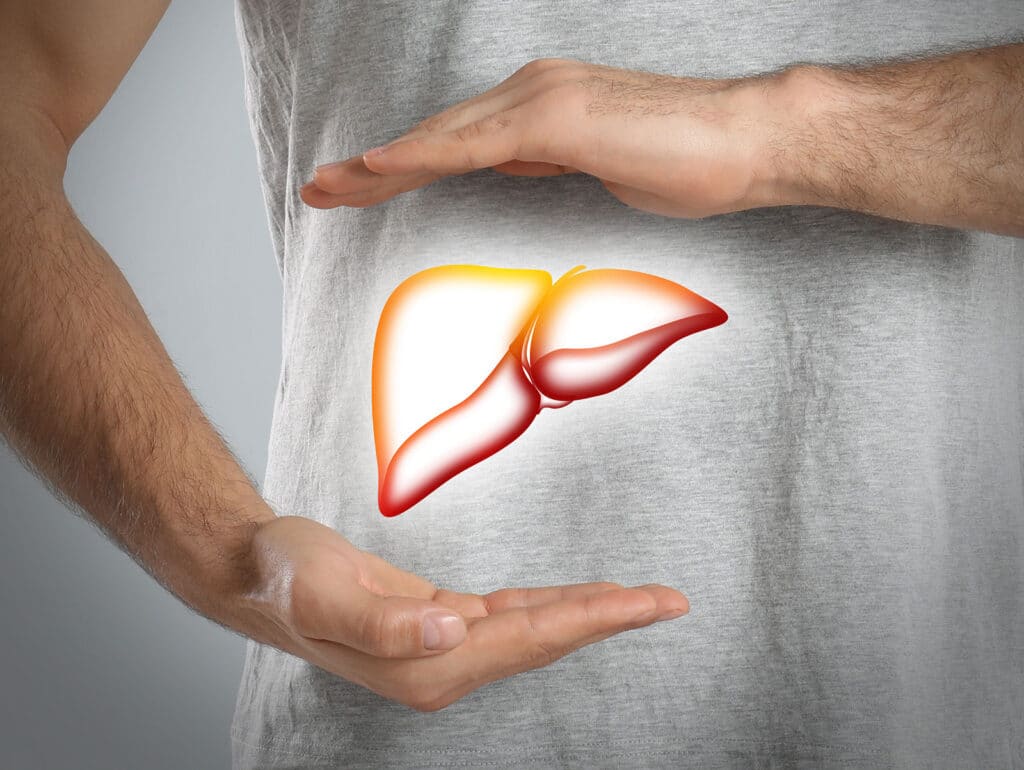
One of the reasons why health experts often advise against alcohol consumption while taking fluconazole is that it can potentially lead to liver damage. In one study, about 5% of patients who consumed alcohol while taking fluconazole experienced hepatoxicity.7 Other studies have also shown that people who drink alcohol while taking the medication have elevated liver enzymes, which is an issue that is observable through blood tests.
As stated in the previous section, alcohol can also feed harmful bacteria and lead to an overgrowth in the gut. This means that taking fluconazole to treat a fungal infection may feed bad bacteria and the harmful fungus the medication should treat. When that microbiome imbalance continues for longer, research shows that it can lead to alcoholic liver disease. To complicate matters, people who consume alcohol to the point that it weakens the immune system are also more susceptible to pneumonia and acute respiratory distress syndrome.
Is Alcohol Safe To Drink While Taking Fluconazole?
According to health experts, it is safe for most people to consume one drink while taking fluconazole.8 However, this applies to otherwise healthy people. Those who take other medications that may interact with alcohol and those with liver problems or other health problems should still avoid alcohol. Daily alcohol consumption or heavy drinking episodes can lead to the adverse effects discussed in earlier sections. Another risk of consuming alcohol with or without fluconazole is developing a substance use disorder or an addiction.
Overlapping and Common Side Effects of Fluconazole and Alcohol
| Side Effect | From Fluconazole Alone | From Alcohol Alone | Combined Risk |
|---|---|---|---|
| Nausea | Common (especially with higher doses) | Very common | Significantly increased intensity and duration |
| Headache | Common (affects 10-20% of users) | Very common (especially during hangover) | More severe headaches; increased frequency |
| Dizziness | Moderate (affects 5-10% of users) | Common | Heightened risk of falls, accidents, and impaired coordination |
| Stomach Upset/Pain | Common | Very common | May cause severe abdominal discomfort and cramping |
| Vomiting | Occasional | Common with heavy drinking | Increased likelihood and severity |
| Diarrhea | Common (affects 10-15% of users) | Common | Can lead to severe dehydration |
| Fatigue/Drowsiness | Moderate | Very common | Excessive sleepiness; dangerous when driving |
| Liver Stress | Rare but serious (elevated enzymes in some cases) | Significant with regular use | Up to 5% risk of hepatotoxicity |
| Changes in Taste | Common | Moderate | Altered taste perception can worsen |
Key Takeaway: When side effects overlap, they don’t just add together—they can multiply in severity, making you feel significantly worse than either substance would cause alone.
How Long Fluconazole Stays in Your Body
| Dosage Type | Half-Life | Time to Clear System | Recommended Waiting Period Before Drinking |
|---|---|---|---|
| Single 150mg dose (most common for vaginal yeast infections) | 30 hours | 6-8 days for complete elimination | Wait at least 72 hours, ideally 5-7 days |
| Multiple-dose regimen (severe infections, 200-400mg daily) | 30 hours per dose | Builds up in system; takes 8-10 days after last dose | Wait 7-10 days after final dose |
| Long-term treatment (weeks or months) | Accumulates in body | Can take 2 weeks for complete clearance | Consult your doctor; minimum 10-14 days |
Understanding Half-Life:
- Fluconazole has a half-life of approximately 30 hours, meaning it takes 30 hours for half the drug to leave your system
- It takes about 5-6 half-lives for a drug to be nearly completely eliminated (150-180 hours = 6-7.5 days)
- Even at low levels, fluconazole can still interact with alcohol and stress your liver
Important Notes:
- These timelines assume normal liver and kidney function
- People with impaired liver or kidney function should wait longer
- Your doctor may recommend different timing based on your specific situation
- The infection should also be fully resolved before resuming alcohol consumption
Special Considerations:
- Single-dose treatment: While you may feel better quickly, the medication continues working for days.
- Chronic use: People on long-term fluconazole therapy should avoid alcohol entirely during treatment.
Who Should Be Especially Cautious With Fluconazole and Alcohol
Certain individuals face significantly higher risks and should avoid alcohol entirely while taking fluconazole. This includes anyone with liver disease (hepatitis, cirrhosis, elevated liver enzymes) or kidney problems, as both organs process these substances and damage risk increases substantially. Those with heart conditions or irregular heartbeat should consult their doctor, as both fluconazole and alcohol affect heart rhythm. Elderly patients (65+) experience slower metabolism, increased side effects, and higher fall risk. Pregnant or breastfeeding women should avoid alcohol completely, as both substances transfer to the fetus and breast milk. People taking multiple medications—especially blood thinners, diabetes drugs, heart medications, or other liver-metabolized drugs—face dangerous interactions. Additional high-risk groups include individuals with diabetes, substance use disorder history, gastrointestinal disorders, or those requiring high-dose or long-term fluconazole treatment.
Alcohol Addiction Treatment
People who develop an addiction to alcohol cannot stop drinking even though they understand and recognize the harm it does to them. For example, someone who causes a serious accident and loses a job because of alcohol is aware of its consequences. If the person is addicted, the individual will still try to consume alcohol. A person addicted to alcohol must consume more to avoid withdrawal and its unpleasant feelings or side effects. Once someone is addicted, the only solution is professional treatment.

Detox is the first step in treatment to help the body adjust to living without alcohol. There are partial hospitalization, intensive outpatient, aftercare, and other programs to meet various need levels. People go through cognitive behavioral therapy to learn about their triggers or behavior causes and find ways to cope or change behaviors. They often have group, family, and individual therapy sessions. There is dual diagnosis treatment for those with coexisting mental health issues. Because mental health issues often lead people to start drinking, it is crucial to treat addiction and mental health issues together. Professional treatment facilities provide support and teach people the strategies to break the cycle of addiction.
Find Alcohol Addiction Treatment Near Long Island
There is hope if you or someone you know is struggling with alcohol misuse. Long Island Treatment Center offers several treatment structures, including aftercare, dual diagnosis treatment, intervention assistance and more. In addition to treatment for alcohol addiction, we have programs for heroin addiction, opioid addiction, and other forms of drug addiction. Please contact us to learn more.
FAQs
Are beer and wine safer than hard liquor with fluconazole?
How can I manage social situations while on fluconazole?
What are warning signs I should seek immediate medical attention?
References
- https://www.webmd.com/drugs/2/drug-3780-5052/fluconazole-oral/fluconazole-oral/details ↩︎
- https://www.nhs.uk/medicines/fluconazole/ ↩︎
- https://www.ncbi.nlm.nih.gov/pmc/articles/PMC4590612/ ↩︎
- https://www.frontiersin.org/articles/10.3389/fmicb.2018.03249/full ↩︎
- https://www.nih.gov/news-events/nih-research-matters/fungi-gut-linked-alcoholic-liver-disease ↩︎
- https://flo.health/menstrual-cycle/health/symptoms-and-diseases/how-to-get-rid-of-candida ↩︎
- https://www.ncbi.nlm.nih.gov/books/NBK548300/ ↩︎
- https://www.drugs.com/medical-answers/fluconazole-can-you-drink-alcohol-while-using-one-146854/ ↩︎