


If you’ve ever juggled more than one medication for pain, you’re not alone.
Many people wonder whether it’s safe to take Tylenol and gabapentin at the same time. After all, both are common options for easing everything from sore muscles to nerve pain. To be honest, the answer isn’t as simple as yes or no.
Then again, with the right guidance, you can use them safely. Here’s what you need to know before mixing these two familiar medications.
Understanding Tylenol
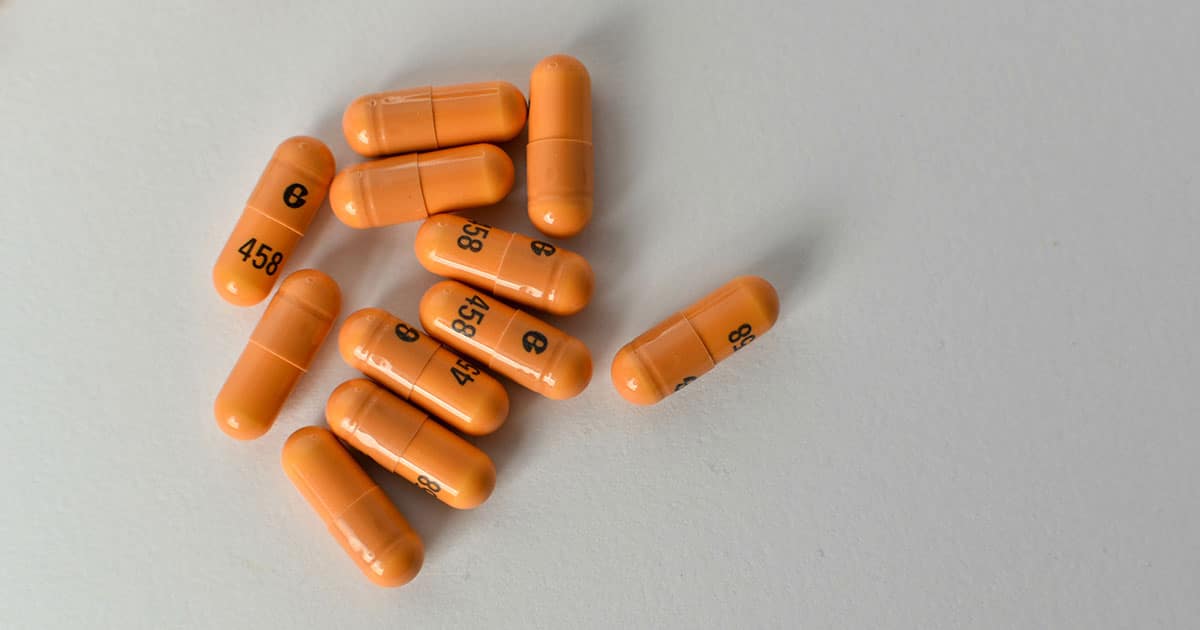
Tylenol, also known by its generic name acetaminophen, is one of the most common over-the-counter medications for pain relief and reducing fever. It’s often used for moderate pain like headaches, muscle aches, and arthritis discomfort.
Unlike NSAIDs such as ibuprofen, Tylenol doesn’t reduce inflammation. Instead, it works by changing how the brain perceives pain and regulates temperature.
It’s generally safe when taken at the recommended dose, but taking too much can cause serious liver damage, especially when mixed with alcohol or other medications containing acetaminophen.
If you’re unsure about how much to take or whether it’s safe to take Tylenol together with another medicine, always double-check with your healthcare provider.

What Is Gabapentin?
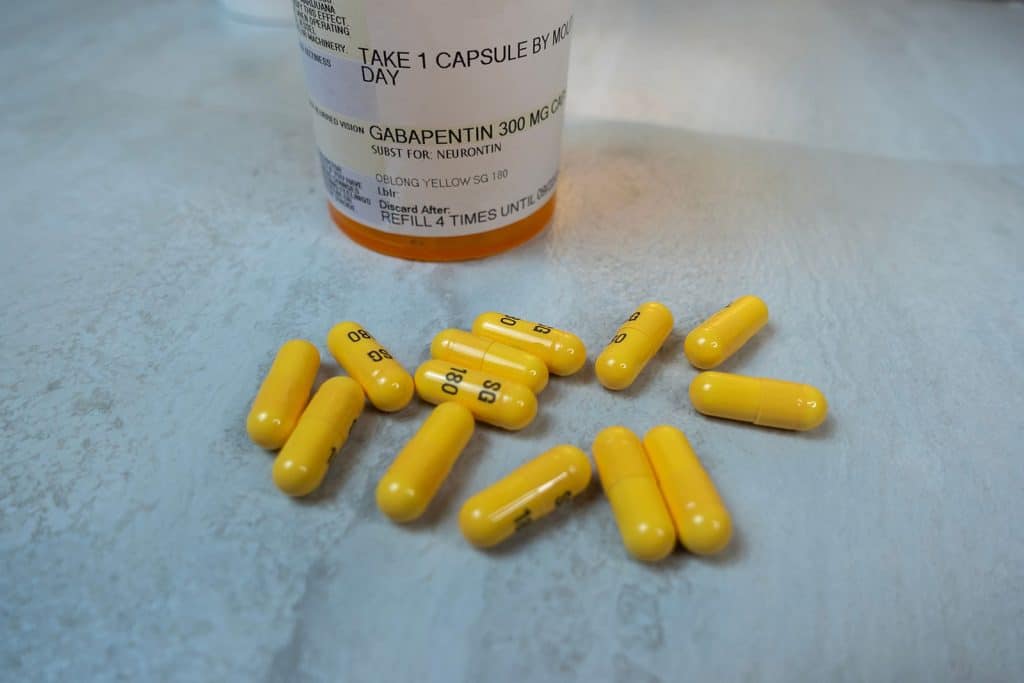
Gabapentin, sold under brand names like Neurontin, Gralise, and Horizant, was originally developed as an anticonvulsant for seizure disorders.
Today, it’s more commonly used to ease nerve pain, especially the burning or tingling type linked to conditions like postherpetic neuralgia (pain after shingles) and restless leg syndrome.
Unlike typical painkillers, gabapentin works by affecting gamma-aminobutyric acid (GABA), which is a chemical that calms overactive nerves in the central nervous system. This makes it effective for neuropathic pain that doesn’t respond well to other treatments.
While usually safe when taken as directed, gabapentin may cause drowsiness, dizziness, or coordination problems, especially if combined with benzodiazepines, opioids, or other drugs with a sedative effect.
Can You Take Tylenol and Gabapentin Together?
The Short Answer is yes. Most people can safely take Tylenol (acetaminophen) and gabapentin together.
The two medications work in different ways, so they don’t usually interact or cause harmful side effects when combined. Tylenol targets pain signals through the brain, while gabapentin calms nerve activity, making them a helpful pair for certain types of pain.
When It Might Be Helpful
Doctors sometimes recommend this combination for people dealing with nerve pain, fibromyalgia, or post-surgery discomfort.
Gabapentin helps with nerve sensitivity, while Tylenol takes the edge off muscle or joint pain, giving you more well-rounded relief.
When to Be Cautious
Even though it’s generally safe, it’s best to check with your doctor or pharmacist first, especially if you take other medications, drink alcohol, or have liver problems.
Tylenol can stress the liver if overused, and gabapentin may cause drowsiness, so following the correct dose is important.
When These Medications Are Prescribed Together
Sometimes, your doctor might recommend using Tylenol and gabapentin side by side. And that’s not unusual.
When managed properly, this combination can offer more balanced pain relief without putting extra strain on your body.
Why Doctors Combine Them
Doctors may prescribe Tylenol and gabapentin together when one medication alone doesn’t quite cut it.
Gabapentin is often used for nerve-related pain, while Tylenol helps ease muscle aches, headaches, or general soreness.
When taken together, they can provide more complete pain relief, addressing different types of pain at once without the risks that come with stronger opioids.
Common Situations
You might see this combination used after surgery, for chronic nerve pain, like sciatica or shingles, or in people with fibromyalgia who need gentle, long-term relief.
Some patients take them on alternating schedules, while others use them at the same time. In all cases, this should always be under a doctor’s guidance.
What to Keep in Mind
Even though these medications are generally safe together, your doctor will look at your medical history, liver health, and other prescriptions before recommending them. Everyone’s pain story is different, and your treatment plan should be tailored to your needs.

Possible Side Effects and Adverse Reactions
Even when taken correctly, both Tylenol and gabapentin can cause side effects. Most are mild, but it’s worth knowing what to expect — and when to call your doctor.
Common Side Effects of Gabapentin
Gabapentin’s most frequent side effects include drowsiness, dizziness, blurred vision, and tiredness.
These symptoms often improve as your body adjusts, but they can make driving or operating machinery unsafe. Some people may also notice mild swelling in their hands or feet.
Because gabapentin works on the central nervous system, it can sometimes cause mood changes or confusion, especially in higher doses or when combined with other sedative drugs such as benzodiazepines or opioids.
Possible Side Effects of Tylenol
Tylenol is generally well-tolerated, but too much can lead to serious liver damage. Always avoid exceeding the recommended dose.
Furthermore, try to be cautious if you consume alcohol or take other medications that contain acetaminophen. It’s a common ingredient in many over-the-counter cold or flu remedies.
Unlike NSAIDs such as ibuprofen, Tylenol doesn’t irritate the stomach, making it a safer option for many people. Still, if you notice nausea, dark urine, or yellowing of the skin, contact your healthcare provider immediately, as these could be signs of liver stress.
When to Watch for Adverse Reactions
More serious adverse reactions are rare but possible. Seek medical help if you experience:
- Trouble breathing or swallowing
- Severe dizziness or loss of coordination
- Swelling of the face or throat
- Signs of overdose or confusion
If you’re taking multiple prescription medications, supplements, or painkillers, always let your doctor or pharmacist know. Even seemingly harmless combinations can create potential interactions that increase risk.
What About Drug Interactions?
The good news is that Tylenol and gabapentin don’t have a direct interaction, so most people can take them together without issues. Still, it’s worth staying cautious if you’re using other medications.
Mixing alcohol or sedatives with gabapentin can make you unusually drowsy, while using other painkillers that contain acetaminophen could raise your risk of liver damage.
Certain antacids or seizure medications might also change how well gabapentin is absorbed, so be careful with these too.
Whenever you start something new, it’s best to check with your pharmacist or healthcare provider first. Just to stay on the safe side.
Gabapentin and Tylenol: Drug Interaction Reference
Acetaminophen and gabapentin do not interact directly with each other. The cautions below relate to combining either drug with other substances.
| Combined with | Risk | Why it matters |
|---|---|---|
| Opioids (e.g. hydrocodone) | High | Additive CNS depression and increased risk of respiratory depression and overdose death |
| Benzodiazepines | High | Compounded sedation, dizziness, and impaired coordination |
| Alcohol | Moderate to High | Increases gabapentin drowsiness; with Tylenol, raises liver damage risk |
| Barbiturates / anesthetics | Moderate | Enhanced sedative effect on the central nervous system |
| Antihistamines (e.g. diphenhydramine, found in Tylenol PM) | Moderate | Added drowsiness; easy to double up on acetaminophen unknowingly |
| Antacids (containing aluminum/magnesium) | Low to Moderate | Can reduce gabapentin absorption; separate doses by about 2 hours |
| Other acetaminophen products (cold/flu remedies) | Moderate | Risk of exceeding the safe daily acetaminophen limit and liver damage |
Always give your pharmacist or healthcare provider a full list of your medications, supplements, and over-the-counter products before starting either drug.

Pain Management Alternatives and Safety Tips
If you’re managing chronic or nerve pain, there are safe ways to find relief without overusing medication.
Alongside Tylenol or gabapentin, options like ibuprofen or other NSAIDs, gentle stretching, heat or ice therapy, and even mindfulness can help ease moderate pain.
Always follow the recommended dose and check with your healthcare provider before adding new treatments or supplements.
When to Contact a Healthcare Provider
Even if you’re using Tylenol and gabapentin as directed, it’s important to reach out for medical advice if something doesn’t feel right.
Contact your healthcare provider right away if you experience:
- Severe drowsiness or confusion that interferes with daily life
- Signs of liver damage, such as yellowing of the skin or dark urine
- Ongoing nausea, vomiting, or stomach pain
- New or worsening nerve pain despite taking medication
- Any adverse reactions after adding new prescriptions or supplements
If you suspect misuse or dependence, seek help immediately. Early intervention can prevent more serious complications and support long-term wellness.
Dependence and Misuse: When Use Becomes a Concern
Gabapentin is low-risk for most people taking it as prescribed, but it is not risk-free. The main concern is polysubstance use. Combined with opioids, benzodiazepines, alcohol, or other central nervous system depressants, gabapentin can intensify sedation and respiratory depression, which is why it now appears in a significant share of opioid-related overdose deaths.
Physical dependence can also develop with regular use. Stopping suddenly can trigger gabapentin withdrawal, including anxiety, insomnia, nausea, and in severe cases seizures, so it should always be tapered under a provider’s guidance.
Tylenol’s risk is different: not dependence, but liver damage from exceeding the safe dose or unknowingly combining acetaminophen-containing products, especially alongside alcohol.
Warning signs include taking higher doses than prescribed, using the medication to feel an effect rather than to manage pain, running out early, or feeling unable to stop. If any of these sound familiar, reaching out early prevents the more serious complications of dependence, overdose, and organ damage.
Addressing Prescription Medication Misuse.
While acetaminophen carries no risk of dependence, misusing prescription nerve medications like gabapentin outside of medical supervision can be dangerous. Overuse can cause severe central nervous system depression or complex withdrawal patterns when stopped abruptly. However, recovery is always within reach with the right support.
Detox and Medical Stabilization
The first step toward recovery is often detox, where medical professionals help you safely manage withdrawal symptoms in a controlled environment.
Detox programs focus on comfort and safety, with around-the-clock care and monitoring to prevent complications. This process allows the body to clear out harmful substances while beginning the journey toward healing.

Therapeutic Support and Counseling
After detox, treatment typically continues with individual and group therapy. These sessions help uncover the emotional triggers behind misuse, whether it’s related to chronic pain, stress, or other life challenges.
Cognitive-behavioral therapy (CBT), motivational interviewing, and mindfulness-based techniques are often used to build resilience and new coping strategies.
Holistic and Evidence-Based Care
True recovery involves the mind, body, and spirit. That’s why Long Island Treatment Center combines evidence-based therapies with holistic care options such as nutrition counseling, exercise programs, and relaxation techniques.
A Personalized Path to Healing
No two recovery journeys are the same. Whether misuse began with a prescription for pain relief or developed from self-medicating stress, every person deserves a plan tailored to their unique needs.
Final Thoughts
Both Tylenol and gabapentin can play a valuable role in managing pain when used safely and under the guidance of a healthcare provider. But like any medication, they come with risks.
If you ever feel uncertain about your medications or notice unusual side effects, reach out for professional support. You don’t have to face those worries alone.
At Long Island Treatment Center, we believe that healing is always possible. Whether you’re struggling with prescription misuse or simply looking for safer ways to manage discomfort, our team is here to help you build a healthier, more balanced life — one step at a time.