




It’s easy to see why purple drank has become a symbol of cool in music videos and social media.
Many people, especially young adults, try drinking lean out of curiosity or because they believe it’s a safer, “legal” high. Unfortunately, that couldn’t be further from the truth.
Understanding what’s really inside the cup is the first step toward preventing lean addiction and finding a path to recovery.
What Is Legal Lean (Purple Drank)?
At first glance, legal lean (better known as purple drank, sizzurp, or dirty sprite) looks like harmless fun. It’s flashy, sweet, and often mixed with soda and hard candy like Jolly Ranchers. But behind the bright color is a powerful and risky concoction.
Traditional lean contains codeine cough syrup, a prescription opioid, and promethazine, an antihistamine with strong sedative effects. Together, they slow the body and create a hazy sense of calm that many find addictive.
When the real thing became harder to get, companies rushed to make “legal lean syrup,” claiming to offer the same chill experience without the drugs.
Instead, they use chemicals like doxylamine or dextromethorphan (DXM). Both are known for causing serious side effects when misused. Some products, including Coco Loko, even drew FDA warning letters for misleading marketing and public health risks.
Despite its “legal” label, the drink still affects the central nervous system and can trigger drowsiness, slowed breathing, or worse.
Whether real or imitation, lean is anything but safe. What seems like a harmless trend has become a real danger, especially for young people chasing a quick escape.
The recipe itself is deceptively simple: codeine syrup diluted with soda like Sprite (the source of “dirty sprite”) and sweetened with hard candy. Some versions add alcohol, sharply raising the danger. Worse, certain over-the-counter cough preparations also contain high doses of acetaminophen, which can cause severe, irreversible liver damage when consumed in large quantities.

How to Tell If Someone Is Using Lean
Lean use is easy to miss because the signs often look like ordinary tiredness. Together, though, they can point to a substance use disorder.
Behavioral changes usually come first: secrecy, social withdrawal, slipping performance at school or work, and a fixation on a particular cup. Check the medicine cabinet too, since missing drugs are a key flag. Watch for codeine cough syrup, promethazine (sold as Phenergan), and other antihistamines disappearing faster than expected.
Listen for drug-specific language like “pouring up,” “sizzurp,” or “dirty sprite,” and note any emojis or icons such as purple cups or syrup imagery used as shorthand online.
Withdrawal symptoms appear when access stops: sweating, chills, insomnia, irritability, and cravings. Paired with slowed breathing or unresponsiveness, seek medical attention immediately.
Is Lean Legal?
A dangerous myth is that lean sits in a legal gray area. Codeine is a controlled substance, and possessing codeine cough syrup without a prescription carries real legal consequences. The “legal lean” alternatives using dextromethorphan avoid that classification, but drug-like marketing has drawn FDA scrutiny and police action against sellers.
Social factors drive its spread. Pop culture turned purple drank into an aesthetic, and street names like sizzurp let it travel quietly, keeping national use among teenagers and young adults a persistent concern. Frontline staff in schools and emergency rooms increasingly report substance misuse tied to both real and imitation lean, often among young people who believed it was harmless.
Why People Start Drinking Lean
So why do people try purple drank in the first place? For many, it starts with curiosity—or influence.
Hip-hop culture has long glamorized the drink, with artists showing off cups of dirty Sprite or legal lean syrup as symbols of relaxation, creativity, and rebellion.
When young people see their favorite celebrities sipping it, the message can seem clear: it’s trendy, it’s chill, and it doesn’t look dangerous.
But the truth is far less glamorous. Whether it’s a friend’s recipe or a “safe” over-the-counter version, drinking lean introduces the body to powerful substances that slow the central nervous system.
That heavy, floaty feeling comes from the same type of depressants found in prescription opioids and other controlled substances.
What starts as casual drug use can quickly lead to dependence, especially when people begin chasing that same calm or euphoria again and again.
The danger lies in how subtle it feels. There’s no instant warning sign, no dramatic shift. Just a slow slide from experimentation to lean addiction.
For teens and young adults, who may already struggle with stress, anxiety, or other mental health challenges, the false comfort of lean can feel like an easy way out. In reality, it only deepens the problem, pulling them further from balance and well-being.
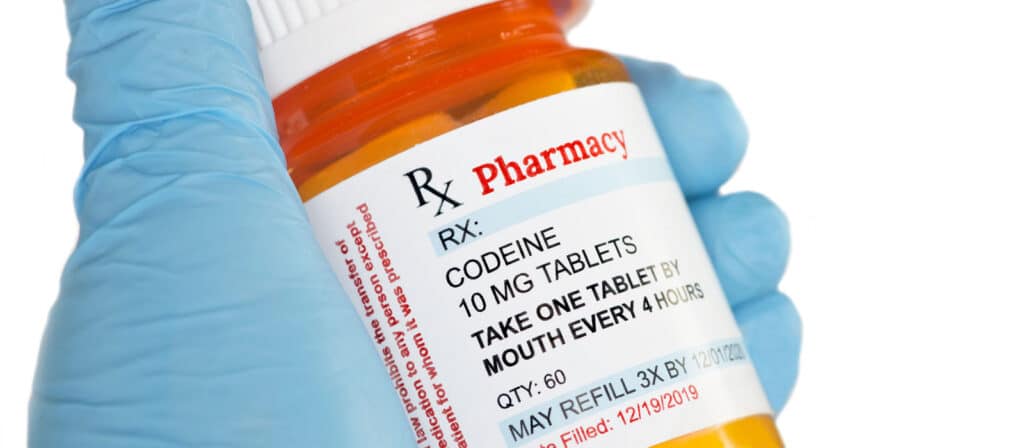
Key Ingredients and Their Effects
The classic mix combines codeine and promethazine, two ingredients that work very differently, but become especially dangerous when taken together.
Codeine: The Addictive Opioid Behind the High
Codeine is a prescription opioid often used as a cough suppressant or pain reliever. Once inside the body, it converts into morphine, slowing down signals in the central nervous system.
This process creates a sense of warmth and calm, but it also slows breathing and heart function. In high doses, codeine can cause respiratory depression, a condition where the body forgets to breathe.
Promethazine: The Sedative Partner
Promethazine is an antihistamine that helps with allergies and nausea. On its own, it already causes drowsiness and lowers blood pressure. When mixed with codeine, those sedative effects intensify, putting users at real risk for overdose.
“Legal” Lean Syrup Alternatives
Even without codeine or promethazine, “legal lean syrup” is not safe. These drinks often use doxylamine or dextromethorphan (DXM), which can still slow the nervous system and trigger hallucinations, anxiety, or blackout episodes.
The FDA has issued warning letters to several brands, calling their marketing misleading and dangerous to public health.
Simply put, whether it’s authentic or imitation lean, every version hijacks the brain’s reward system and makes dependency feel deceptively easy.
Health Risks of Drinking Lean
What makes purple drank so deceptive is how smoothly it starts, and how fast it turns dangerous.
Many people first experience it as relaxing or euphoric, but those calm effects can quickly spiral into something life-threatening.
Whether you’re drinking real codeine cough syrup or a “legal lean syrup” alternative, both come with serious health risks that affect nearly every part of the body.
Here’s what can happen:
- Respiratory depression: The mix of opioids and antihistamines can slow breathing to dangerously low levels. In severe cases, the body stops breathing altogether.
- Heart complications: Lean can alter heart rate and blood pressure, leading to dizziness, irregular rhythms, or even cardiac arrest.
- Liver damage: Combining lean with alcohol or acetaminophen-based medications pushes the liver into overdrive, increasing the risk of long-term health issues.
- Mental health decline: Regular use can worsen anxiety, depression, and mood swings—issues that often intensify during withdrawal symptoms.
- Addiction and dependency: The brain quickly adapts to the drug’s sedative and euphoric sensations, creating strong cravings and reinforcing a dangerous cycle of drug abuse.
- Overdose: Mixing lean with alcohol, benzodiazepines, or other street drugs significantly raises the risk of fatal overdose.
The side effects of lean can sneak up slowly. It starts with simple drowsiness or confusion, but often progresses to more serious, even deadly, complications. Even short-term use can have long-lasting effects on physical and emotional health.
At Long Island Treatment Center, we see how easily a “harmless” trend can lead to addiction. Recognizing these warning signs early is the key to protecting yourself or a loved one before it’s too late.

The Culture Around Lean
Lean is a cultural symbol that rose from Southern hip-hop in the late ’90s and early 2000s. Artists like DJ Screw, Three 6 Mafia, and Lil Wayne helped popularize the drink through music, videos, and lyrics that romanticized its slow, woozy high.
The purple cup became an aesthetic that spilled into fashion, social media, and even marketing visuals far beyond the rap scene.
But what started as an underground expression of creativity and coping turned into a mainstream misconception, confusing art with endorsement.
Today, the challenge lies in separating cultural appreciation from the dangerous normalization of addiction.
Recognizing Lean Addiction
Lean addiction begins when occasional use turns into dependency. The codeine and promethazine in lean can create powerful cravings for its calming, euphoric effects.
As tolerance builds, users often need more to feel “normal.” When they stop, withdrawal symptoms can quickly surface, including:
- Intense cravings for the drink
- Sweating and chills
- Insomnia or restless nights
- Irritability and mood swings
Loved ones may notice drowsiness, secrecy, or an unusual fixation on the purple cup. These signs often hint at something deeper than casual use.
Left unchecked, dependence on lean can lead to stronger substances, like counterfeit opioids or street drugs, when the syrup becomes scarce. Spotting the pattern early can make all the difference.
Health Risks and Side Effects of Lean
Lean may look harmless in its signature purple drank form, but its health risks are anything but mild.
Short-term side effects of lean may include:
- Drowsiness and confusion
- Slurred speech and poor coordination
- Slowed heart rate and low blood pressure
- Nausea, constipation, or blurred vision
Long-term health issues can be even more dangerous. Chronic use increases the risk of liver damage, severe constipation, and respiratory depression, where breathing slows to dangerously low levels. When mixed with alcohol or other depressants, the results can be fatal.
There’s also a strong link between drinking lean and developing substance use disorders. The effects of codeine can trigger dependence, and when tolerance builds, some users turn to street drugs to maintain their high, deepening the cycle of drug abuse.
Beyond physical harm, lean addiction takes a toll on mental health, often leading to anxiety, depression, and sleep disturbances. These risks underscore why early treatment and education are so critical.

Treatment Options for Lean Addiction
Overcoming lean addiction starts with understanding that it’s both a physical and mental struggle.
Detox and Early Intervention
Recovery begins with detox. This is the process of safely removing codeine and other substances from the body under medical supervision.
This stage helps manage withdrawal symptoms and prepares individuals for the next steps in treatment.
Outpatient and Continuing Care
Outpatient programs offer structured therapy and support while allowing people to maintain work, school, or family responsibilities. These programs are ideal for those who need flexibility without losing accountability.
Evidence-Based and Holistic Approaches
At Long Island Treatment Center, treatment offers evidence-based therapies such as cognitive behavioral therapy (CBT) and medication-assisted treatment.
In addition, there’s also holistic care, including mindfulness, exercise, and creative expression. Together, they address both the mind and body.
Hope and Recovery
Addiction is treatable, and recovery is possible. Seeking help early makes a lasting difference. Every small step forward counts.
Final Thoughts
What may start as a sweet, neon drink can quickly spiral into a dangerous habit. Legal lean, purple drank, or sizzurp—no matter the name—carries serious health risks that can affect the body, mind, and future.
If you or a loved one is struggling with lean addiction, know that recovery isn’t just possible. It’s within reach. At Long Island Treatment Center, compassionate professionals guide clients through effective recovery programs that address mental health and physical dependence. Make the call now.