


The short answer is no; a blown vein resulting from a minor accident during a medical procedure isn’t something to be worried about. Yes, it might be a little annoying, painful, and may even have a collection of blood under the skin.
Still, the fact remains that in 10–12 days, your body will completely resolve it on its own without the use of any medications.
However, in some cases, it can actually escalate to be fatal, which means we’re not giving you the green light just yet. In other words, the long answer to the query in question is: It’s complicated.
So, we’ll start this by separating the expression “blown vein” that results from medical treatment from other medical conditions that some people wrongly assume are blown veins.
What Is a Blown Vein?
The phrase “blown vein” can evoke dramatic, alarming imagery. In most cases, however, the reality is far less sinister.
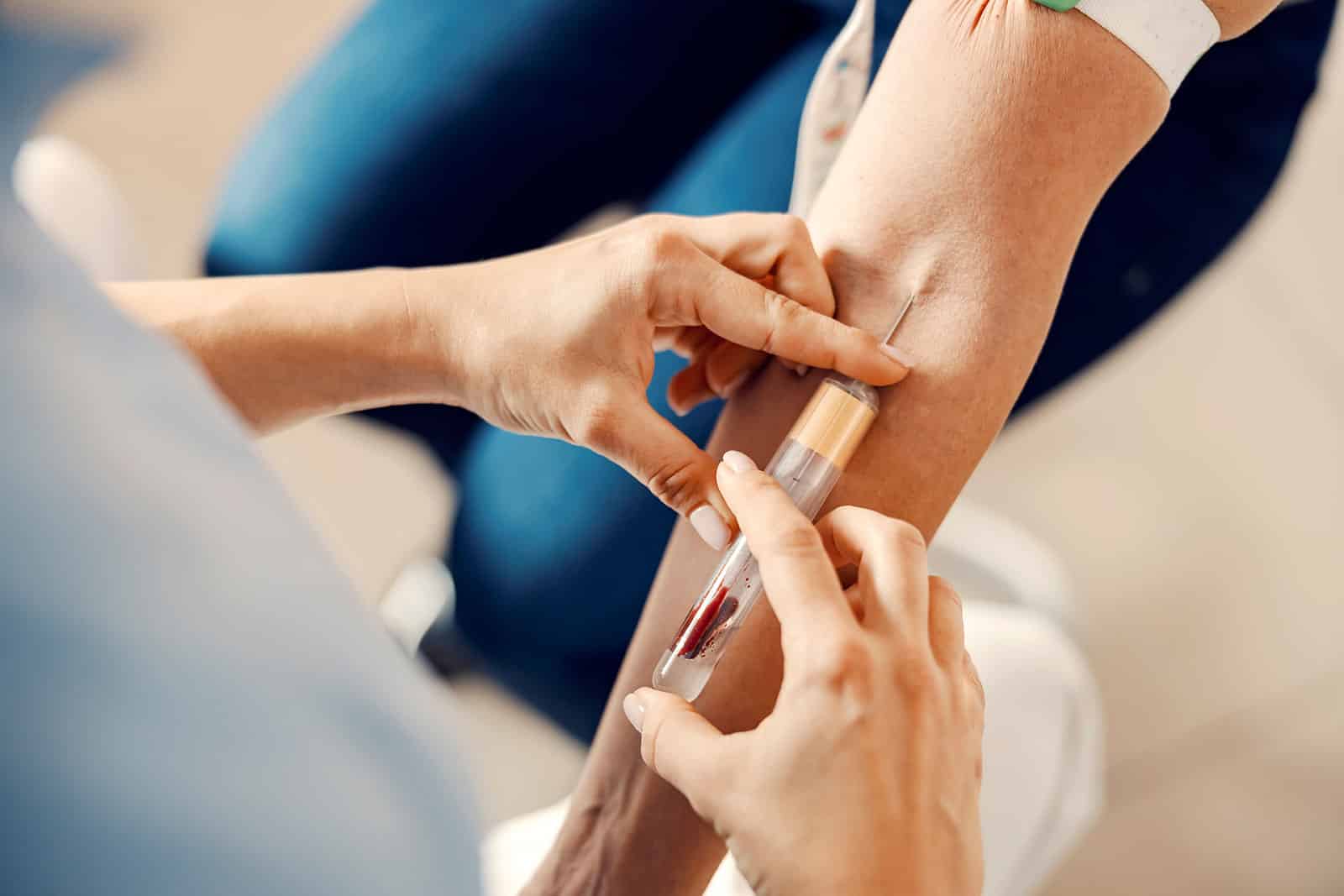
In a clinical setting, a blown vein is a frequent, minor occurrence. It happens when a healthcare professional is performing a needle insertion for an IV line or blood tests, and the needle punctures through the vein wall or causes a tear.
What Happens During a Blown Vein?
When the vein is compromised, blood leaks from the vessel into the surrounding tissue. This pool of blood is called a hematoma, which presents as the immediate swelling and subsequent bruising or discoloration we see.
The body’s natural healing process begins instantly, clotting to seal the leak and eventually reabsorbing the trapped blood.
The most common symptoms of a blown vein include:
- Immediate swelling at the injection site.
- Aching or mild tenderness in the affected area.
- Bruising (discoloration) that appears within hours and fades over a week or two.
Your healthcare provider will manage this by removing the needle, applying firm pressure, and likely using an ice pack to reduce swelling. Good hydration can make veins more plump and accessible, making it easier for the professional to find the best vein and reducing the risk of mishaps with fragile veins.
So, why is this non-life-threatening despite sounding so?
The reason is simple: a blown vein in this context is a localized issue. The damage is minimal, blood flow in the larger blood vessel is unaffected, and the leak is self-contained.
Accordingly, it’s not considered a life-threatening event. The healing process is swift, and the vein often repairs itself within 10-12 days.
Note: After any significant vein injury, it’s wise to avoid strenuous activity on the affected limb to protect the healing process. Always follow the medical advice of your healthcare provider.
All that being said, there are some cases of fatal blown veins, which, in that context, are actually ruptures. They could either be ruptured varicose veins or esophageal varices. It’s worth mentioning that none of them is related to a needle injury.
Ruptured Varicose Veins: A Peripheral Crisis
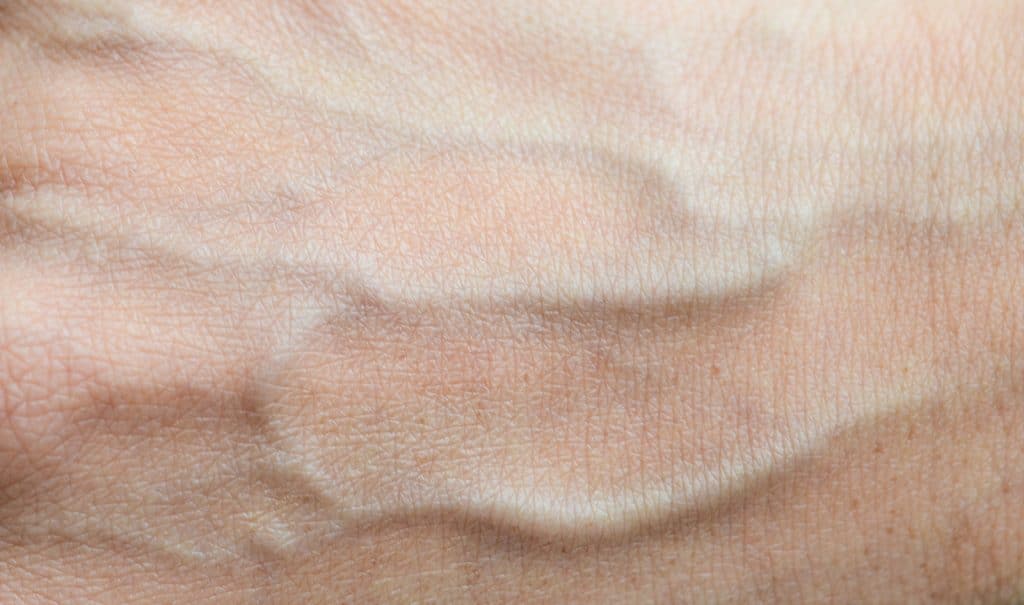
Varicose veins are swollen, twisted veins caused by weakened walls and faulty valves, often in the legs. The chronic high blood pressure within these veins, combined with poor blood flow, can make the overlying skin and the vein wall itself incredibly fragile.
- The Danger: A minor bump or even spontaneous pressure can cause a large varicose vein to rupture, leading to profuse bleeding.
- Why It’s Life-Threatening: The high pressure in these lower-extremity veins can result in rapid and significant blood loss, leading to hemorrhagic shock. This is a true life-threatening emergency, particularly for older individuals or those with certain medical conditions.
- Action Required: This demands immediate medical treatment. Call for emergency help, elevate the limb, and apply firm, continuous pressure to the affected area.
Esophageal Varices: An Internal Catastrophe
This involves varicose veins in the esophagus, usually caused by severe liver disease. Their rupture causes massive internal bleeding and is extremely lethal without aggressive medical treatment.
Now that we have cleared the occasional mix-up between blown veins and ruptures, let’s get back to our topic.
Can a Blown Vein Turn Into a Life-Threatening Condition?
Unfortunately, yes. While a regular, medical-grade procedure can sometimes result in a simple blown vein, non-medical, often drug-related procedures can become fatal.
This context is where a series of minor injuries can escalate into severe, life-threatening consequences. For individuals engaged in IV drug use, the term “blown vein” signifies a state of progressive and severe vein damage.
Here’s how it works:
- Repeated Trauma: Each missed injection site causes a hematoma. The use of non-sterile techniques and caustic substances leads to chronic inflammation (phlebitis) and further weakens the vein wall.
- The Collapsed Vein: The cumulative trauma causes the vein to scar, harden, and eventually collapse. A collapsed vein is permanently lost, blocking blood flow and forcing the user to find new sites.
- Migration to Dangerous Sites: As superficial veins become unusable, users often turn to larger, deeper veins, like the femoral vein in the groin. Accessing these areas is extremely high-risk and requires immediate medical attention if complications arise.
In other words, the initial “blown vein” is a stepping stone to catastrophic outcomes:
- Infection and Blood Clots: Damaged veins are a prime environment for infection and the formation of blood clots. This can lead to thrombosis (Deep Vein Thrombosis), a dangerous condition where a clot can break free and travel to the lungs, causing a pulmonary embolism.
- Systemic Infection: Bacteria introduced through IV drug use can enter the bloodstream, leading to sepsis, or infect the heart valves (endocarditis). Both are severe health problems that are often fatal.
- Catastrophic Hemorrhage: A ruptured vein in a deep, high-flow location like the groin can lead to fatal blood loss within minutes, a direct and tragic escalation from chronic vein damage.
Prevention Strategies
While not every blown vein is avoidable, a few practical steps lower the risk. Good hydration is the simplest: drinking water before a procedure makes veins plumper and easier to access, reducing the chance of a needle puncturing the vein wall. Thoughtful vein selection and injection technique matter too. A skilled professional chooses a straight, well-supported vein, uses the appropriate needle size, and anchors the vein by holding the skin taut so it doesn’t roll. For anyone receiving repeated injections, it helps to rotate sites rather than reusing one spot, giving each location time to recover. Clean technique and good hand hygiene reduce the risk of complications, while topical care of the skin around injection sites and regular check-ups with a provider round out a sensible plan.
Treatment and Management Options
If a vein does blow, most cases call for simple, conservative care. Your provider removes the needle (or catheter) and applies firm pressure. Rest the area, and raise the affected limb above heart level to reduce swelling. A cold pack helps in the first 24 hours; after that, a warm compress encourages the trapped blood to reabsorb and speeds healing. A light bandage protects the site, and gentle topical care keeps the skin healthy as the bruise fades. For most people this resolves within ten to twelve days. If blown veins keep recurring, a more thorough diagnostic process may be warranted, and a vein specialist can evaluate whether an underlying condition is the cause.

When to Seek Medical Attention
Although a typical blown vein heals on its own, certain warning signs mean it’s time to contact a healthcare provider. Watch for signs of infection: spreading redness, warmth, increasing severe pain, pus or drainage from the site, and fever. Any of these together suggests the area may be infected and needs prompt evaluation. Persistent bleeding that doesn’t stop with firm pressure is another reason to seek care quickly. When you see a provider, they’ll typically start with a visual inspection and physical exam, using gentle palpation to assess swelling and tenderness and to distinguish a simple healing bruise from a developing complication. The stakes are higher for anyone using IV drugs, where repeated trauma raises the risk of serious complications.
Final Words
So, can a blown vein kill you? For the vast majority of people experiencing one during a routine blood test or IV insertion, the answer is a resounding no. It is a temporary, manageable issue.
However, the spontaneous rupture of severely diseased varicose veins is a dire emergency. Furthermore, the progressive vein damage caused by IV drug use demonstrates how repeated trauma can create a pathway to fatal complications like blood clots, systemic infection, and catastrophic hemorrhage.
If you or a loved one is struggling with needle injections, we would love to hear from you at Long Island Treatment Center. Contact us, we’ll respond anonymously, and help you in a way that’s tailor-made for you.